

Are my clothes free of bacteria? Do I have to wash at 60°C? Those and other laundry myths debunked

Disinfection is one of the most common methods of decontamination. Read below to know more about the different disinfection methods and the criteria for selecting one.
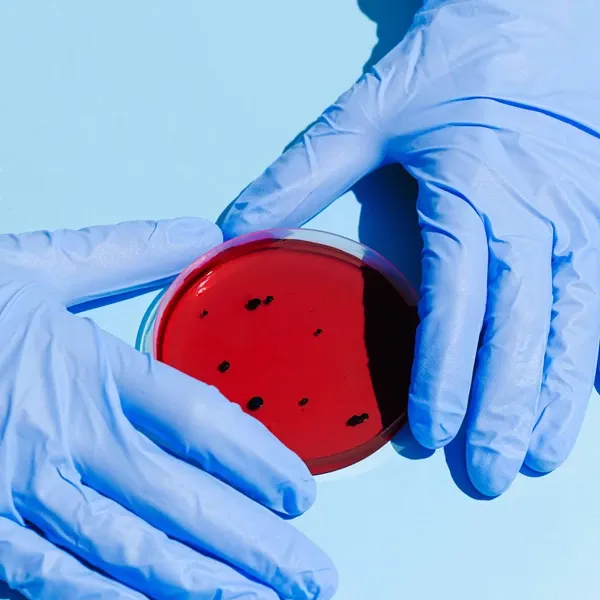
Harmful bacteria and microorganisms that spread diseases such as typhoid, diarrhea, food poisoning, waterborne illness, skin infections, etc., are present in every environment. Even now, one square inch of your skin contains more than 600,00 bacteria.
While most bacteria are harmless to humans, the highly harmful and deadly ones, such as Bacillus anthracis, Yersinia pestis, Francisella tularensis, and SARS-CoV-2, are called “pathogens.”
Understanding the cleaning frequency around the house, office, school, university, etc., and adopting suitable disinfection methods and disinfectants is essential in helping prevent the spread of diseases.
However, there’s a clear difference between cleaning and disinfecting, and they should not be confused with each other.
Continue reading this article to learn about two types of disinfection methods and know more about the criteria for selecting the right one to disinfect and adequately protect yourself and your loved ones.
The chemicals used for a shorter period to destroy microorganisms are called disinfectants. They are usually used on inanimate objects. Antiseptics are chemicals applied to living tissues to kill 99.99% of germs, bacteria, and other harmful microorganisms.
The most common chemical disinfects include:
When selecting a disinfectant for yourself, you should consider the following four criteria to ensure that you use the best disinfectant product for your purpose.
Before we get started, don’t forget to check out our guide about disinfectant roles in tackling coronavirus.
Depending on your industry and environment, you will have varying disinfectant needs and requirements. Remember that pathogens can have multiple strains; disinfectants are certified for some specific strains.
Always go for the disinfectant approved by a reliable Environment Protection Agency, which guarantees the 99.99% elimination of most microbes and pathogens.
How quickly does a disinfectant product kill a pathogen? How long does the product remain visibly wet on the surface? Remember, most disinfectant formulas require a specific amount of time and must be on a wet surface the entire time to effectively eliminate pathogens.
Thirty seconds to five minutes is the usual kill time, but if the disinfectant product requires longer, be sure it will remain wet for that long.
Some disinfectant products are toxic, some stain, and others are either corrosive or leave an unpleasant odor. So is your disinfectant product safe to use for people and surfaces?
While handling these products, you must read the toxicity and flammability ratings and wear personal protective equipment (PPE).
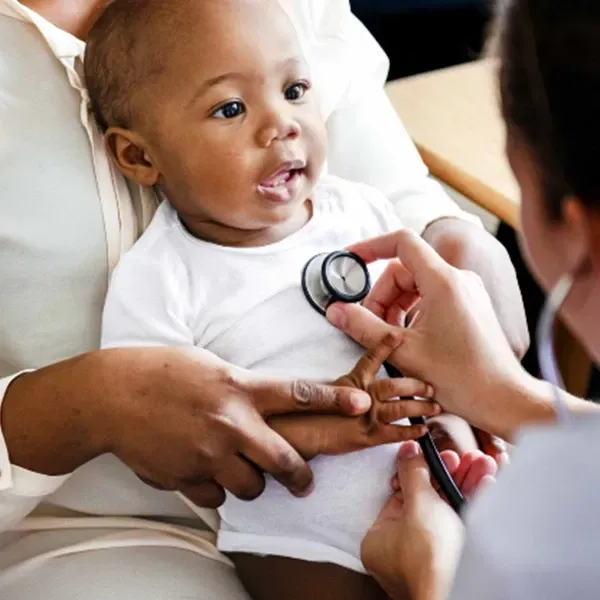
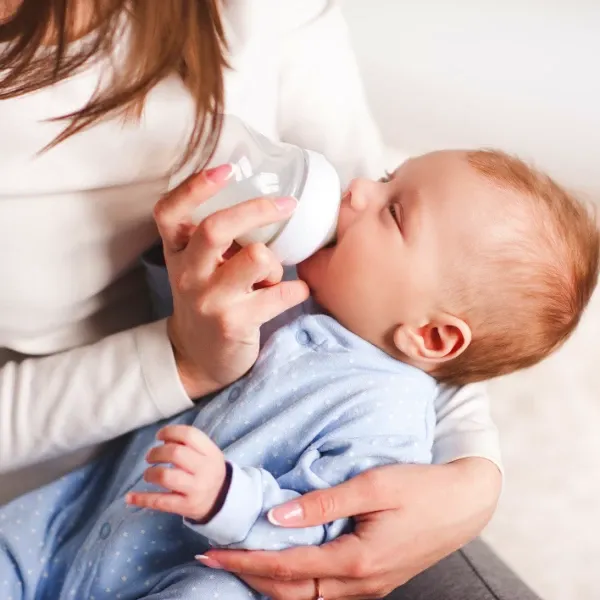
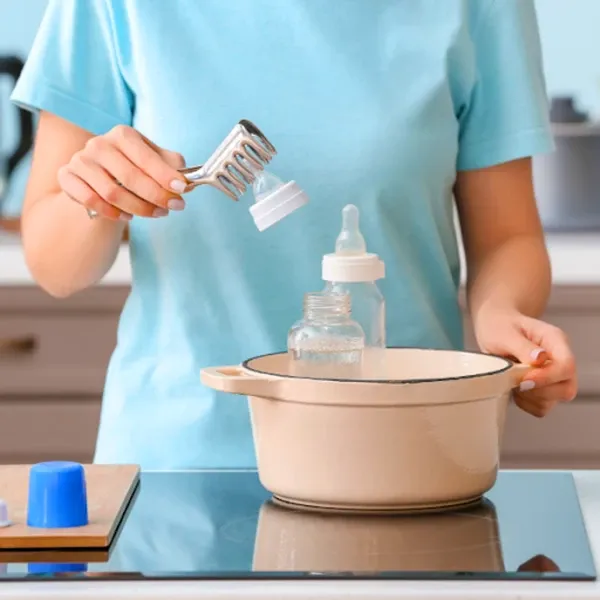
When it comes to safety, children require the most protection. So here’s how to ensure the safe cleaning and disinfecting of your baby’s everyday items during the Covid-19 pandemic.
You must ensure your selected disinfectant product can be easily applied to surfaces. Disinfectant surface spray and antiseptic liquid trigger spray are just one-step products that make them top-choice for easy, quick, effective disinfectants that eliminates bacteria, viruses, and fungi.
Are my clothes free of bacteria? Do I have to wash at 60°C? Those and other laundry myths debunked
Want to keep your washing machine in good condition? Here are some tips to combat the buildup of bacteria, odour, limescale and more.
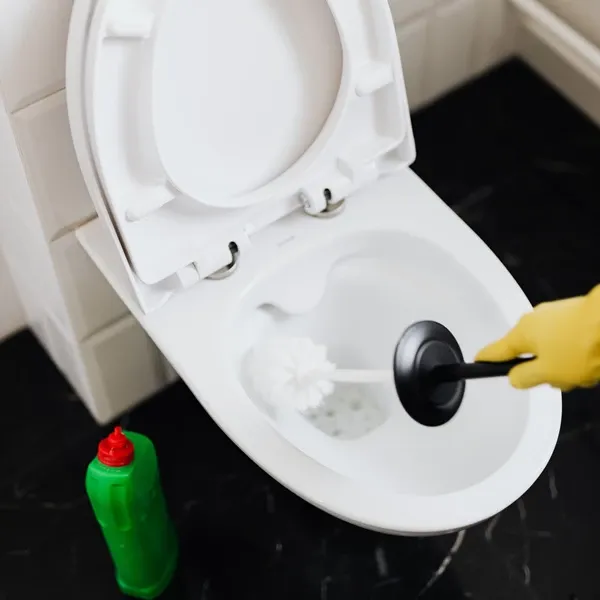
Learn how to clean your toilet properly with simple steps and effective tips. Keep your bathroom fresh, germ-free, and sparkling clean in no time!
Here are our top tips to keep your kitchen and bins clean and disinfected
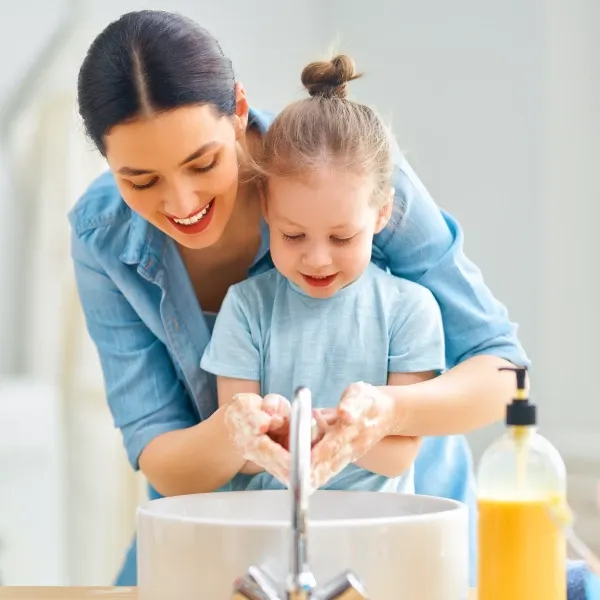
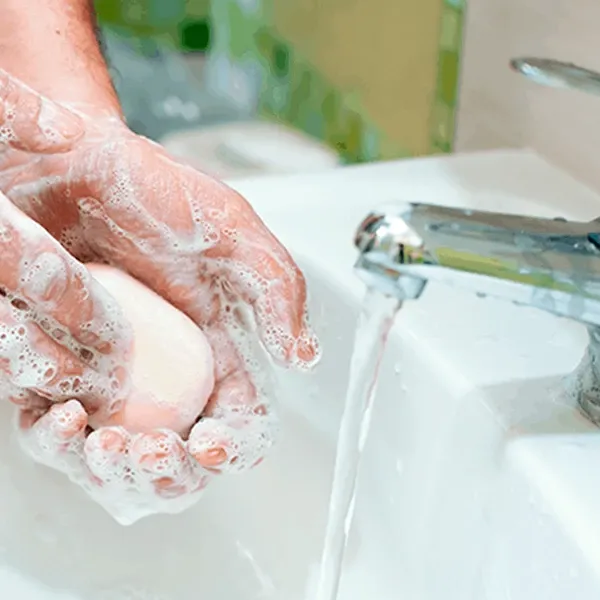
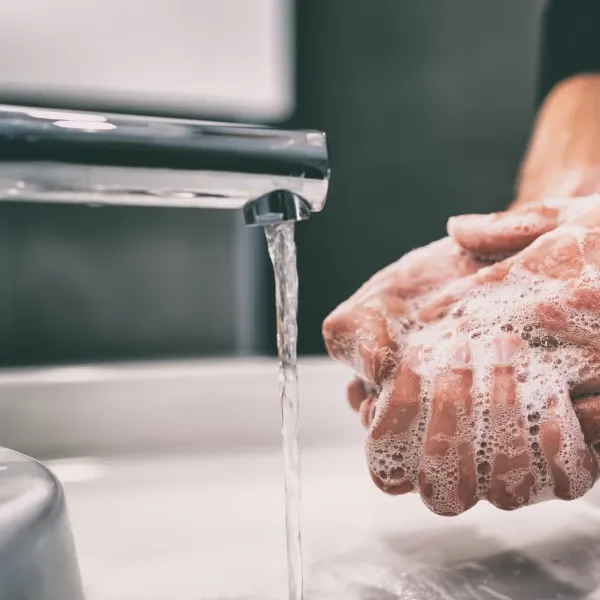
Hand-washing is an easy way to help prevent the spread of bacteria and viruses. Learn more about when to wash your hands, and how to most effectively do so.
Keep your electronics at home hygienic with these simple steps.
A warm, soothing shower after a long day can feel like the ultimate form of relaxation. But have you ever wondered why showers make you feel better?
Read our article below to learn about the possible causes, prevention tips, and treatment methods for body odor.
Who doesn’t love traveling? But, do you know these essential hand hygiene tips that keep you safe from germs, bacteria, and diseases while on the go?
Our top cleaning picks that will make your life as a new mum just that tad bit easier
A shower in the morning can help you wake up, but a shower at night can help you fall asleep faster. So which one is better and hygienic?

We know the smallest hygiene changes can make a massive difference to our health. That’s why we’ve made it our mission to always look for opportunities to educate families on healthy habits to practice.
Here are the 7 steps for the most effective handwashing experience to protect you from germs, viruses, and infection.
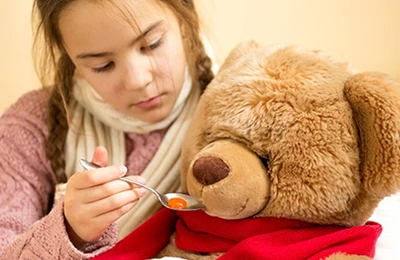
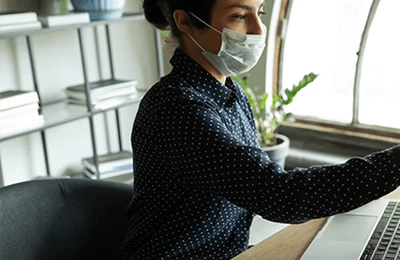
Sometimes cleaning and disinfecting the most used items in the house isn’t enough to prevent them from carrying and spreading germs, bacteria, and viruses. Read our article to know how to achieve complete protection through sterilization.
Our Research, Development & Innovation Centres can be found across the globe. From our main laboratory hub sitting in the US to our regional labs in the UK, China and India. It’s here we research, develop and rigorously test products to make sure they’re right for you and the home.

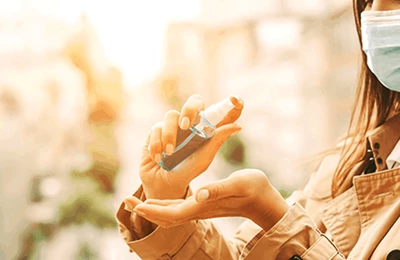
Every one of us is irritated by some kind of body odour. But what does it say about your health? Read our article below to learn how to manage your body odour.
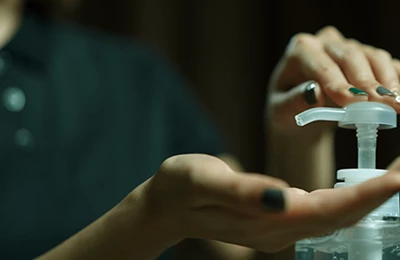
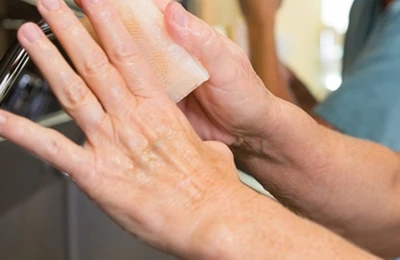
Read the article below to learn some interesting and entertaining facts about health and hygiene that you probably don’t know yet.
We believe nobody should feel powerless in protecting who and what they love. That is why delivering quality and trusted hygiene products is at the core of everything we do. We understand that good hygiene is the foundation of good health, and good health is essential for a good life.
We’re proud to be partnered with many leading health organisations around the world, including Allergy UK, Transport for London, The Global Hygiene Council, National Day Nursery Association and many more.
Shower or a Bath? Which body cleaning method is better for your health? In this article, we will discuss both options.