

How to clean your kitchen counters and bins effectively
Here are our top tips to keep your kitchen and bins clean and disinfected

Top five easy and essential healthcare precautions and tips to ensure you and your loved ones are always protected from infectious diseases.
Infectious diseases are mainly caused by microscopic organisms called “pathogens.” These pathogens primarily consist of bacteria, viruses, fungi, or parasites that enter the human body, multiply, and interfere with human boy functions.
Infectious diseases are one of the leading causes of illness and death worldwide. For people suffering from an underlying condition such as heart disease or cancer, or those who take medications that weaken their immune systems, it’s more difficult to avoid getting sick with infectious diseases.
However, for many people, following some basic healthcare precautions and prevention tips can go a long way in helping them avoid infectious diseases.
Prevention is better than cure. So the first line of defense will always be to keep the germs away by adopting good personal hygiene habits.
People can catch various infectious diseases by the bacteria, viruses, fungi, or parasites present on food or food packaging.
Good hygiene is always important when handling or consuming food items to prevent food-borne illnesses.
Cleaning and disinfecting high-touch surfaces in your home is a crucial precaution to lower the risk of infections.
For effective household cleaning and disinfection, take all the necessary precautions before using disinfectant floor cleaner, sprays, glass cleaner, etc.
Common high-touch surfaces include door handles, tables, chairs, handrails, kitchen and bathroom surfaces, taps, toilets, light switches, mobile phones, computers, tablets, keyboards, remote controls, game controllers, glass surfaces, and toys.
If a surface is dirty, first clean it with either soap or water. Afterward, use an antiseptic liquid that cleanses and helps protect against infectious diseases. You can also use disinfectant spray, which kills 99.9% of bacteria on multiple surfaces.
It is also the best practice not to immediately wipe the antiseptic and antibacterial solutions off as soon as you have applied them to the surface.
Read the product directions to ensure you are using them correctly and avoid damaging sensitive items such as mobile phones and other electronic devices.
It is unclear how long the bacteria, viruses, fungi, or parasites can survive on fabric, but most clothing items have plastic and metal elements on which they might live for a few hours to several days.
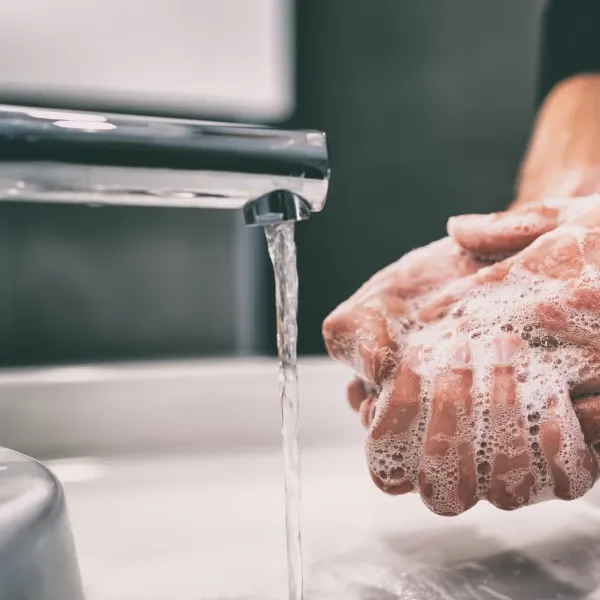
Removing shoes, changing clothes when you return home after returning home from outside, and washing your hands with Dettol soap and water are good practices.
While doing laundry at home, handle it carefully so that the virus doesn’t disperse through the air. Instead, wash the laundry items using soap or detergent, using the warmest water setting, and dry them thoroughly.
If you are using washing machines, adding the iconic antiseptic liquid can ensure all-around protection against germs. Wash or disinfect your laundry bag and hamper as well.
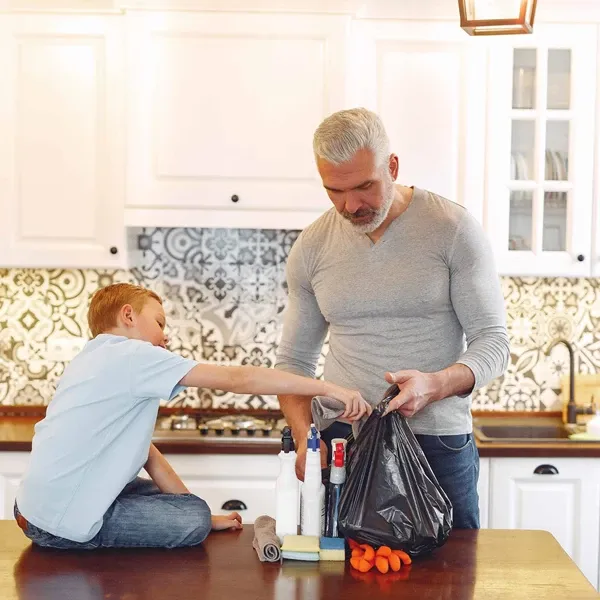
Here are our top tips to keep your kitchen and bins clean and disinfected
Our top cleaning picks that will make your life as a new mum just that tad bit easier