

.svg)
Easy to use on-the-go
Antibacterial Skin Wipes


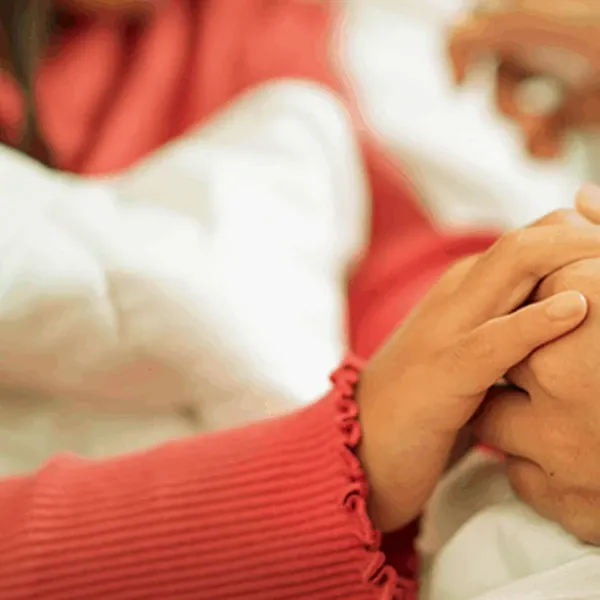
You don’t want to add to the vulnerability of sick patients by not maintaining good hygiene while caring for them. “Germs are everywhere” this is a fact that now immediately rings a bell as soon as someone states it.
Because of the Coronavirus (Covid-19) outbreak, authorities have been hyper-vigilant about cross-contamination. They have asked relevant facilities like hospitals, care clinics, and nursing homes to take good hygiene measures while caring for patients.
Hospital-acquired bacterial and viral infections account for a large number of deaths around the world, and it would be wise to state that these deaths are preventable.
People, when sick, are more vulnerable to catching other diseases as their immune system is already busy fighting off the invading microorganisms.
Therefore, those associated with patient care should realize the importance of personal hygiene and overall good hygiene better than anyone.
Patients infected with contagious diseases can potentially transfer them to healthcare providers if precautions are not taken.
Regardless of your role in caring for patients, since contaminated hands contribute largely to spreading diseases, you must never underestimate the importance of maintaining hand hygiene.
According to the Centers for Disease Control and Prevention, you must wash your hands with antibacterial soap, liquid handwash, and water for at least 20 seconds to completely knock the germs off your hands.
If soap and water are unavailable, applying hand sanitizer that eliminates 99.9% of germs should be your go-to option.
In addition, installing sanitizer dispensers or using antibacterial wipes throughout hospitals and clinics would help the patients and staff stay safe by avoiding infectious diseases.
Like high-risk patients, it’s important to pay attention to high-risk surfaces too. These surfaces include bed rails, door knobs, surface tops, and other waiting and sitting areas.
Studies show that medical facility surfaces and equipment are hotspots for diseases and infections. Therefore, a frequent cleaning and disinfecting routine should be planned to ensure infection prevention and control in hospitals and other medical facilities.
After identifying the surfaces that get a high audience all day around, ensure you deep clean and disinfect them with either the disinfectant surface spray or multiuse antibacterial wipes.
For medical equipment, washing them with an antiseptic liquid solution or wiping them with disinfection wipes should eliminate all sorts of germs.
While social distancing has been identified as crucial for containment in the community, social distancing within hospitals is equally vital in reducing nosocomial spread, especially in hospitals where most patients are nursed in multi-bedded rooms rather than in single-occupancy rooms.
By keeping a social distance of at least two meters (6 feet) from patients and each other, healthcare workers can slow down or even prevent the spread of various harmful viruses within medical facilities.
When physical distancing is recommended, steps to follow include:
New methods, such as ultra-low volume disinfectant fogging (ULV), are extremely effective for disinfecting hard-to-reach areas. Studies suggest that fogging has proven results against harmful pathogens in a large area and that too in a short period of time.
All in all, caring for patients requires not only good treatment planning but also a carefully thought-off hygiene routine.
In addition, preventing the spread of germs within a caring facility is as important as disease diagnosis because patients can suffer greatly without the combination of these two factors.
Easy to use on-the-go
Dermatologically tested
Here are our top tips to keep your kitchen and bins clean and disinfected
Our top cleaning picks that will make your life as a new mum just that tad bit easier