

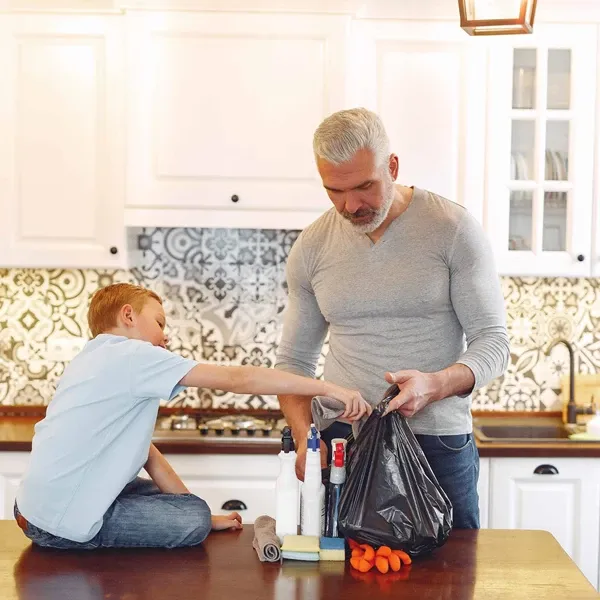
How to clean your kitchen counters and bins effectively
Here are our top tips to keep your kitchen and bins clean and disinfected

Good hygiene is fundamental for our health. Here’s a short guide on how we can make teaching hygiene more fun for kids.
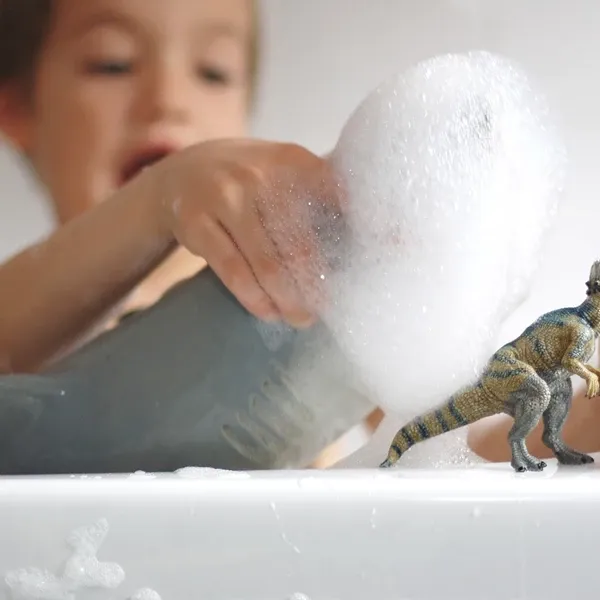
Your children learn to survive in this during their growth and development stage. So, understanding the concept and importance of personal hygiene for kids is crucial. However, teaching your kids all of these can be a continuous and challenging process.
Personal hygiene is an important aspect of keeping yourself healthy. It can help you avoid infectious diseases. Therefore, teaching kids the concept of good personal hygiene should start early.
To make parenting a little easier, read the following personal hygiene habits you should teach your kids for effective infection prevention and control.
Personal hygiene habits help maintain a healthy and hygienic atmosphere. Below are the reasons for focusing on personal hygiene for kids:
To prevent your kids from getting affected by various infections and diseases, teach them the following hygiene tips in a fun way.
Introduce the concept of germs and bacteria early on. Kids tend to do something if they understand it better. Make sure you emphasize the importance of hygiene but do not exaggerate so much that they develop a phobia.
Talking to your kids about why personal hygiene is important would be best. They should know what happens if they don’t brush their teeth or change their clothes when dirty.
It might help to create charts that allow your child to check off a task each time. This will give them a sense of independence and help them learn to be responsible for themselves.
The best way to teach your kid about hygiene is through demonstration. But first, you must have the right resources.
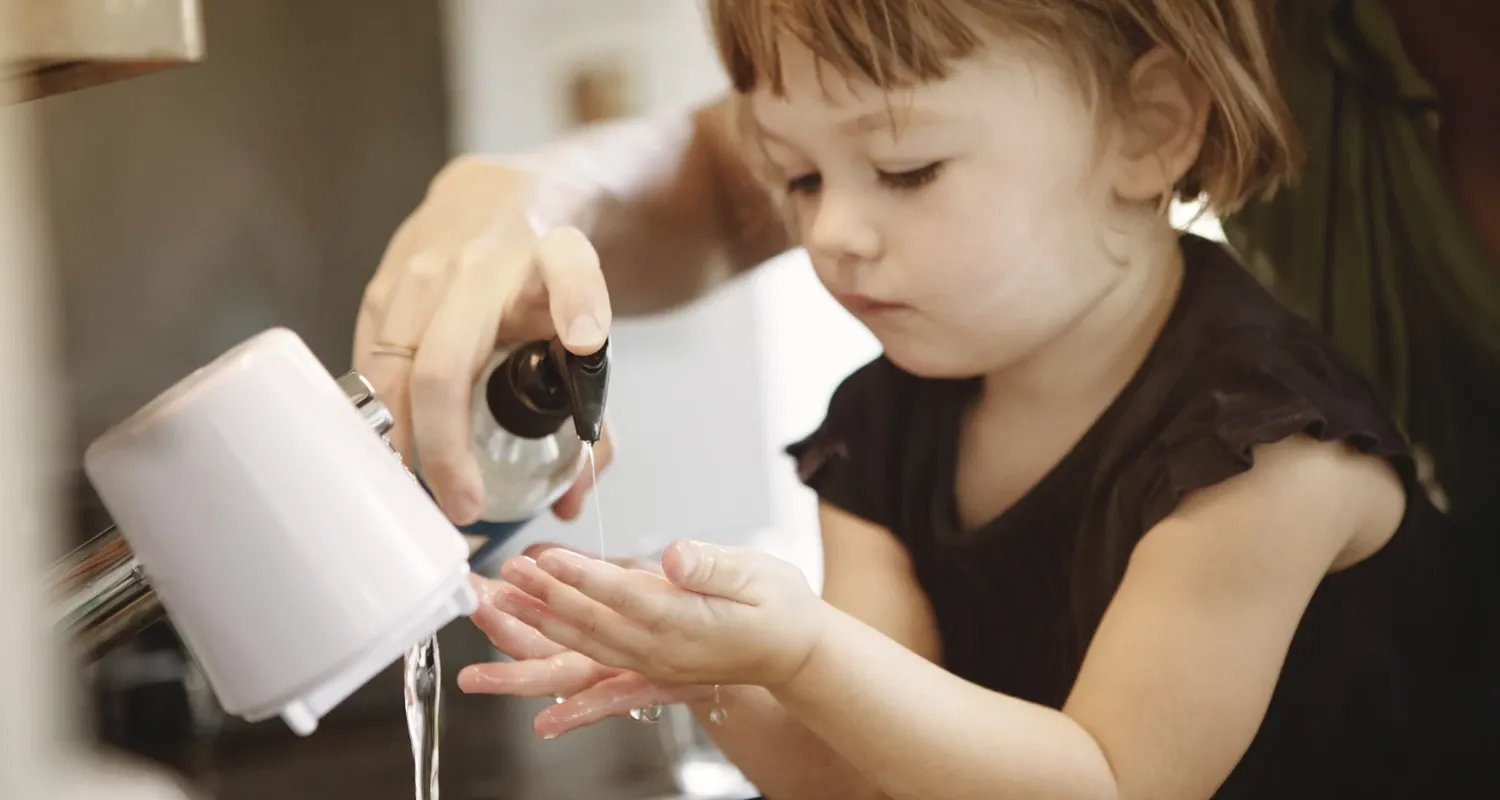
For example, if you want your kid to learn about hand washing, you must ensure that soap, liquid hand wash, and warm water are available. The chances of your kid washing hands are better when supplies are in stock.
The lack of hygiene and routine is one of the primary reasons children get sicker these days. Hence, you must strive towards setting up a routine by being a hygienic role model for your children and showing them how it fits into a routine.
For instance, when you come home from work, shopping, or being outdoors, wash your hands with antibacterial soap or liquid handwash for at least 20 seconds before doing anything else.
Build hygienic practices into your family’s routine; soon enough, good hygiene practices will become a habit, helping to protect your little ones from harmful pathogens.
Contaminated hands are one of the most common ways for germs to spread. Therefore, regularly washing hands will prevent your child and others from getting sick.
Apart from teaching your children healthy handwashing steps, you can also set up a hand washing chart with the key moments your children should be washing their hands at home with soap and warm water. They will enjoy ticking off their hand washing chart as a visual reward for their accomplishment.
Once your children can manage their personal hygiene unassisted, that’s great! But it is always better to check in here and there every once in a while to monitor those hygiene habits and ensure they keep up with them.
Is your child washing their hands every time they use the bathroom? Are they cleaning private parts correctly in the shower? They may roll their eyes, but the reminders help.
It is normal for children to push back on their hygiene habits and routines. Sometimes they resist because they’d rather be playing or don’t like being told what to do.
If you’re out of ideas to encourage your child to prioritize their hygiene, some different approaches might work.
Talk to them about the consequences of bad hygiene. For example, tell them they’d be spreading germs around if they don’t wash their hands frequently or get tooth decay or bad breath due to not brushing their teeth.
Offer your children a small, non-food treat or token of appreciation once your child has checked off one of their hygiene tasks.
Here are our top tips to keep your kitchen and bins clean and disinfected
Our top cleaning picks that will make your life as a new mum just that tad bit easier