

Are my clothes free of bacteria? Do I have to wash at 60°C? Those and other laundry myths debunked

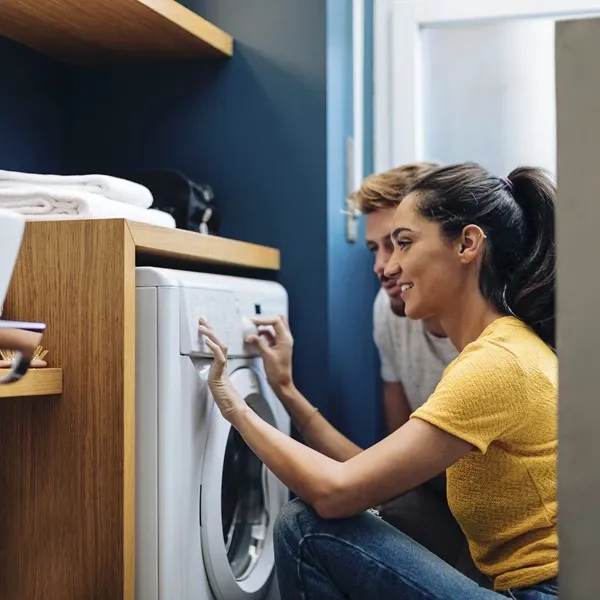
Germs are responsible for spreading various infections, but you can protect yourself from them by reading our article.
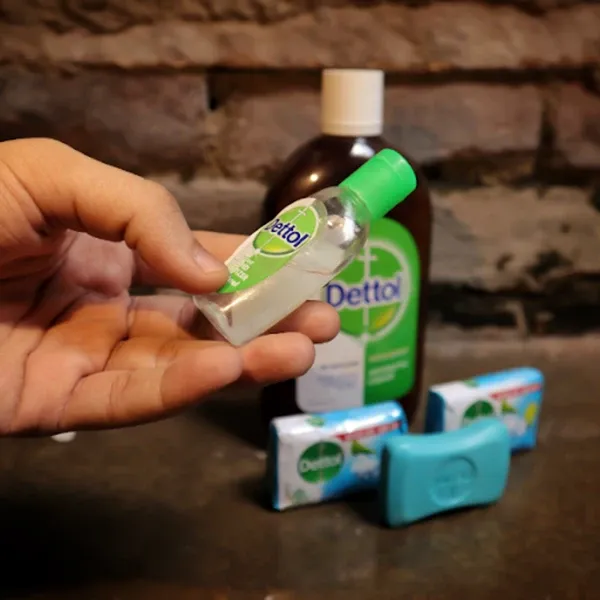
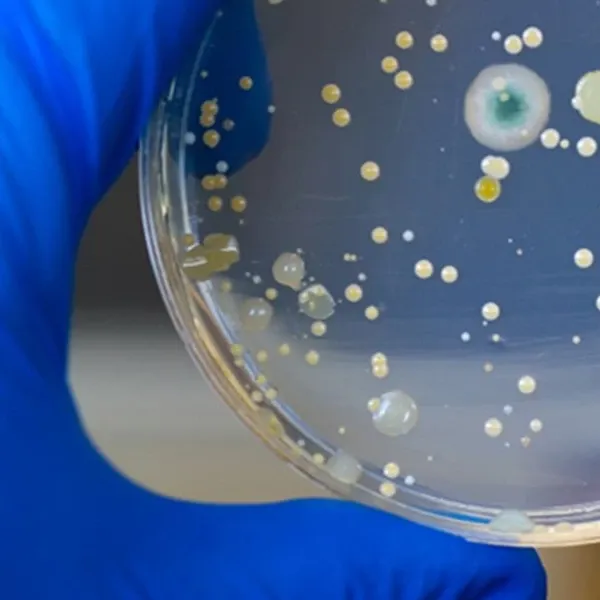
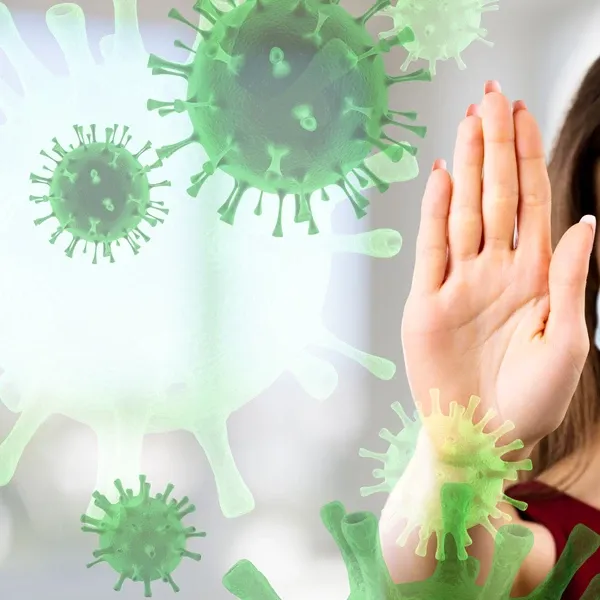
You are always surrounded by different types of germs that can cause infections in your body. But, unlike viruses and bacteria, germs usually spread from person to person through a particular sequence of events.
Regardless of the type, all germs follow a 6 step process, which, if interrupted, allows you to prevent them from spreading. These steps include the infectious agent, reservoir, portal of exit, means of transmission, portal of entry, and a susceptible host.
To prevent the spread of germs and break the chain of infection, you can interrupt the sequence of events at any point.
Contact transmission occurs when a person physically encounters an infected person or a contaminated object. It happens in two ways:
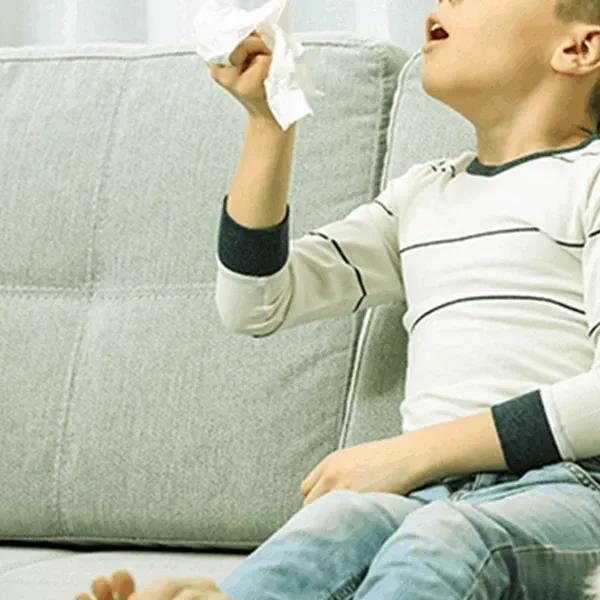
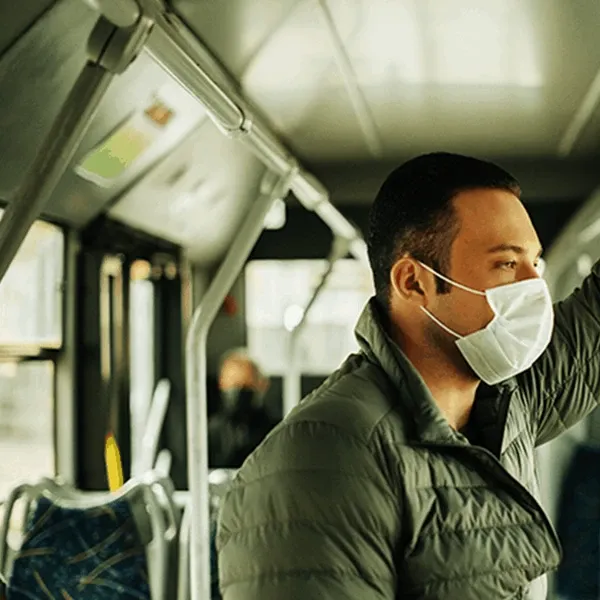
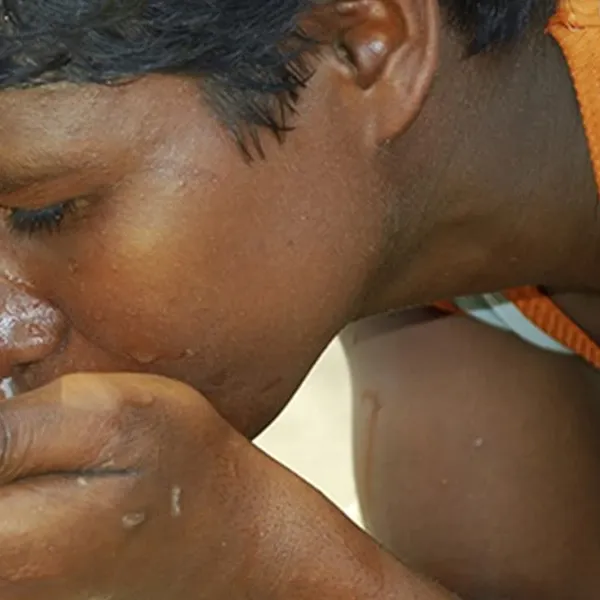
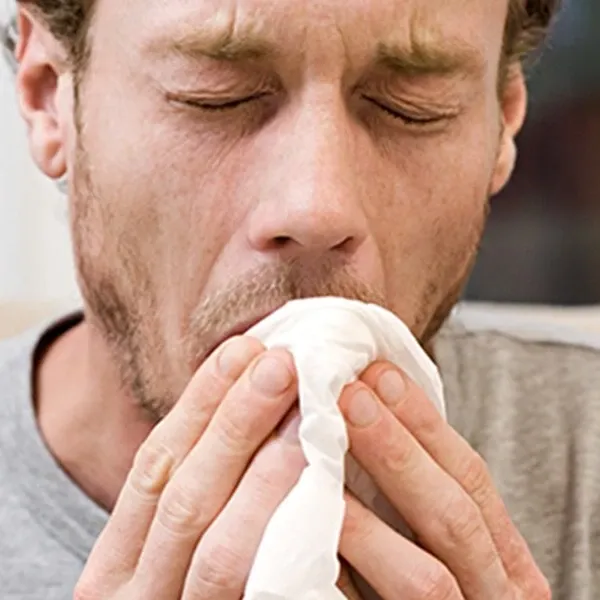
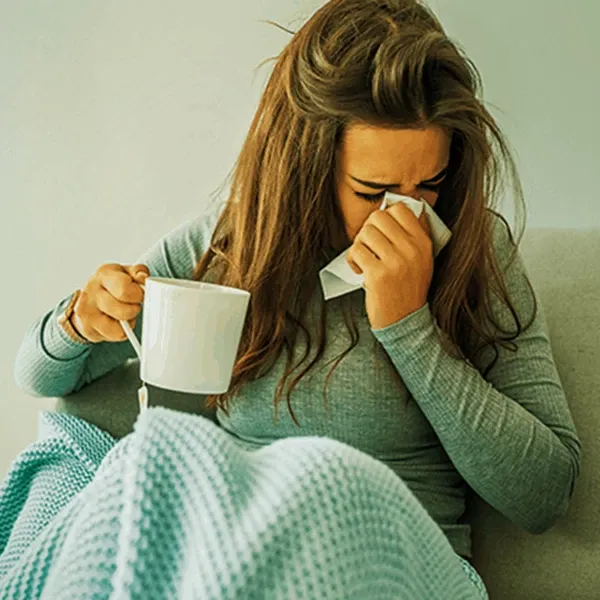
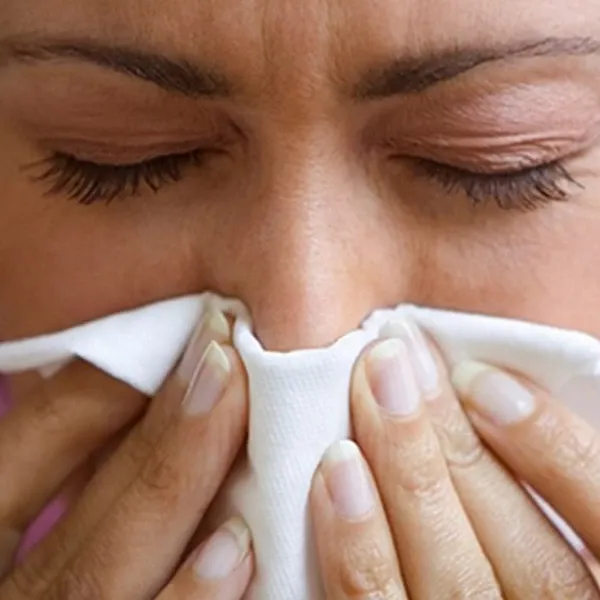
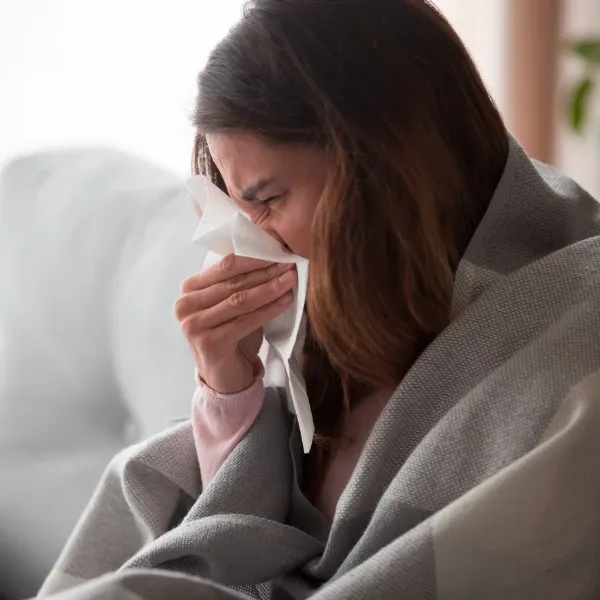
When a person is infected with germs, coughs, or sneezes, respiratory droplets can land on various surfaces around them. When other people touch these surfaces, their hands can get contaminated with thousands of hazardous germs their health.
They can quickly get infected with these contaminated hands when they touch their eyes, nose, or mouth. Therefore, you must maintain good hygiene in public places to protect yourself and others.
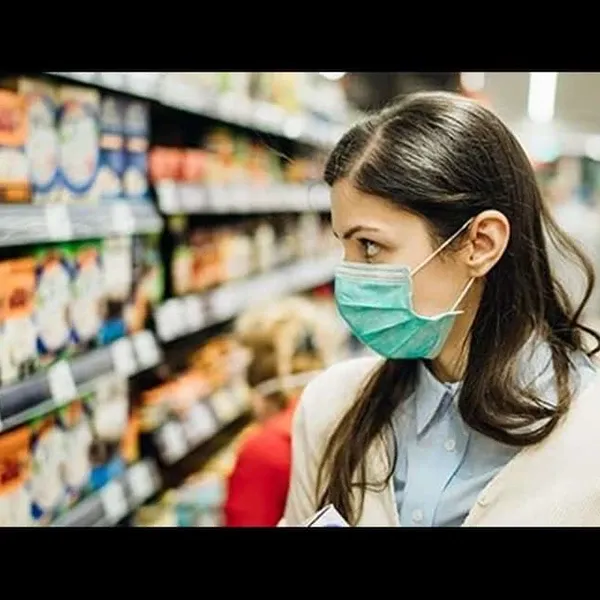
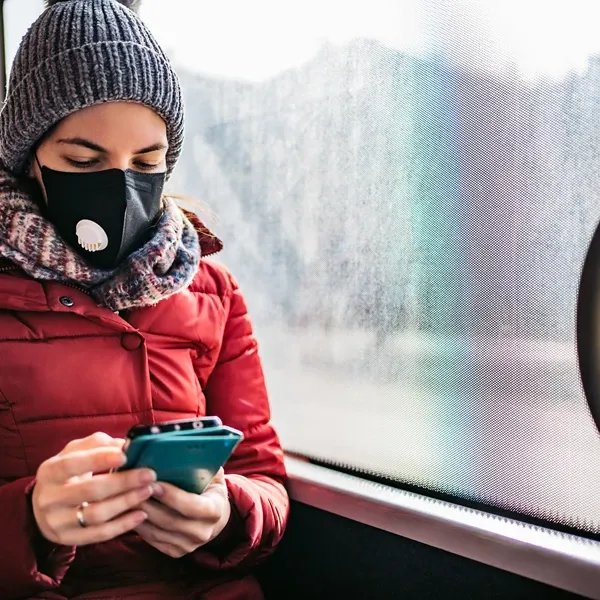
Droplet transmission occurs when an infected individual coughs, sneezes, or talks, leading to tiny respiratory droplets entering another person’s system through their eyes, nose, or mouth.
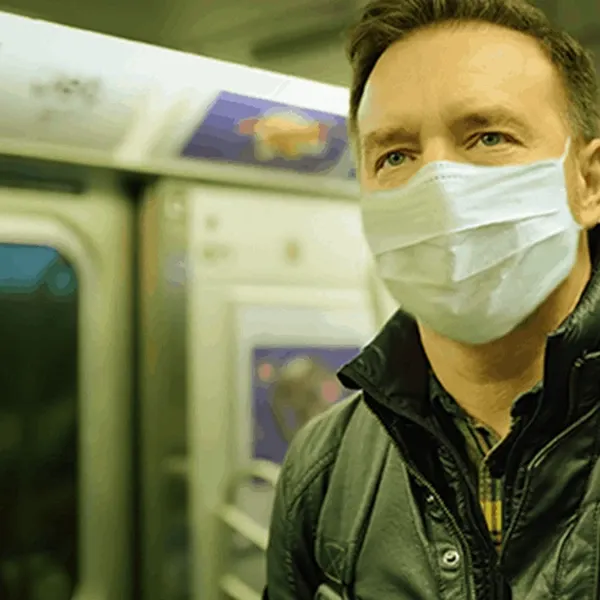
Airborne transmission occurs when small contaminated particles (<5um in size) in the air are inhaled by a person’s respiratory system. According to research, some viruses, such as Coronavirus, can remain in the air for up to 3 hours.
Some specific conditions must be met for a microbe or infectious disease/agent to spread from one person to another. This process is commonly known as Chain of Infection.
There are six steps in the process, and transmission will only occur if all of them are fulfilled.
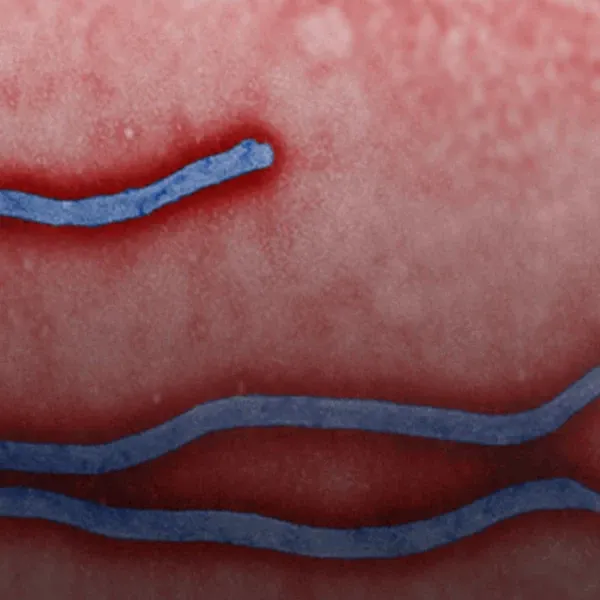
Microorganisms (germ, virus, bacteria) that cause harmful infections.
Reservoir
A source or host. This is where the microorganism lives, grows and multiplies. Humans, animals, and different surfaces are all examples of reservoirs.
A path or exit way for the microorganism to leave the host. Coughing, sneezing, talking, or breathing are all examples of exit points.
The method through which the infectious agent is transmitted from one individual to another. It can be in the form of respiratory droplets, physical contact, or airborne transmission.
A place for the microorganisms to enter into a new host.
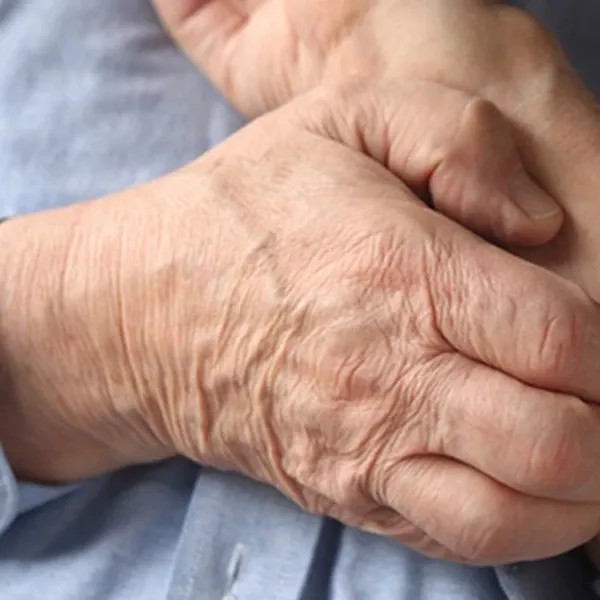
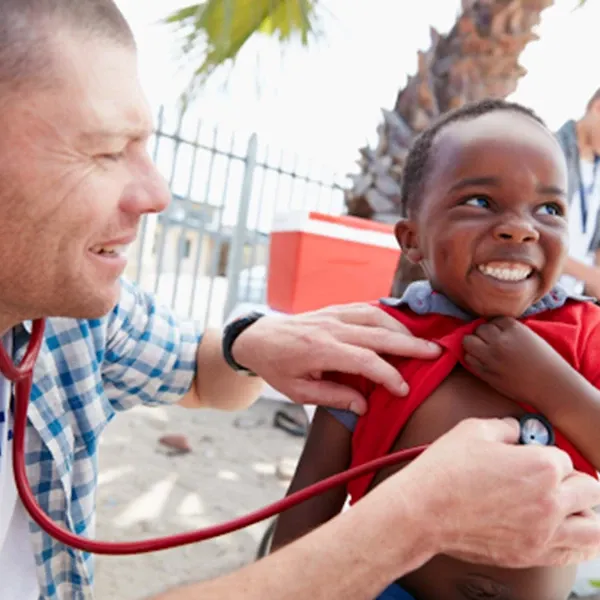
Children and old age individuals are typically more susceptible to the infectious agent. Thus, old age people and children require extra protection these days because their immune system is weak and vulnerable to germs, viruses, and bacteria.
To break the chain of infection, World Health Organization recommends employing basic hygiene principles, like standard and transmission-based precautions.
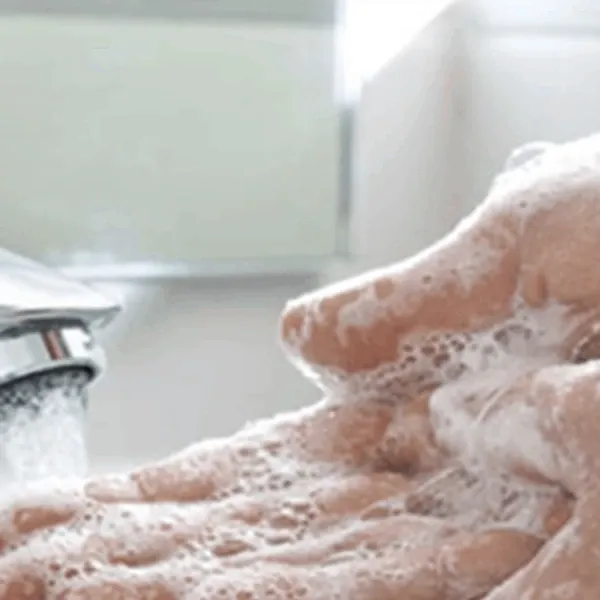
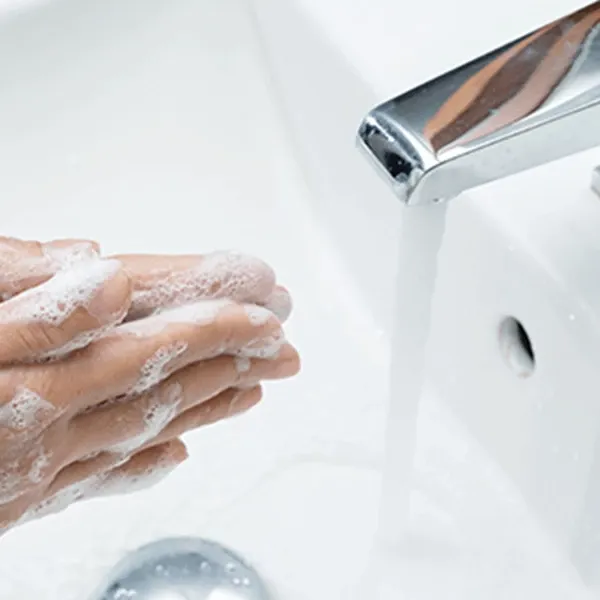
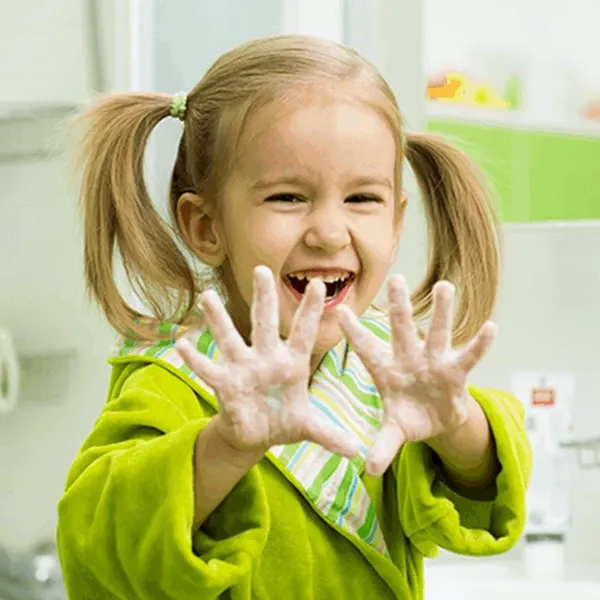
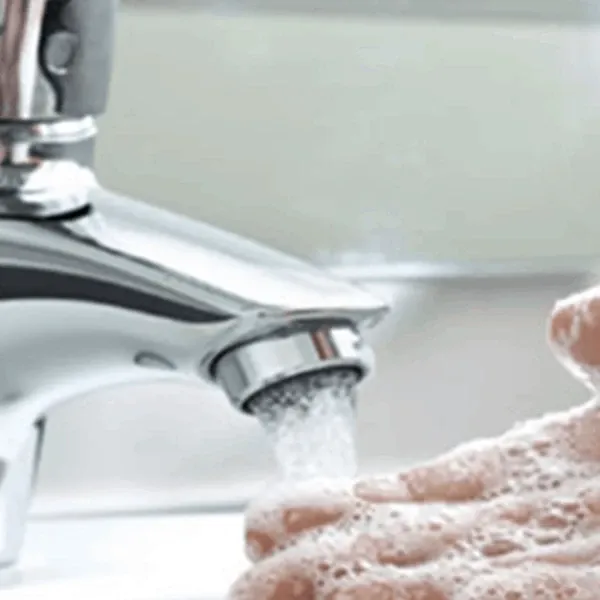
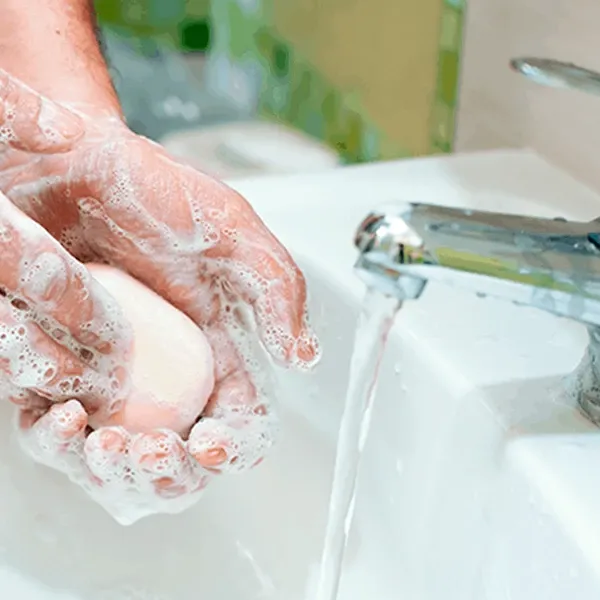
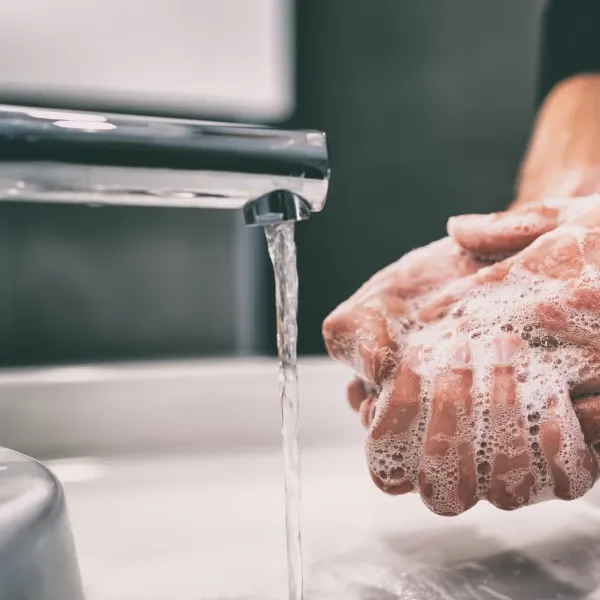
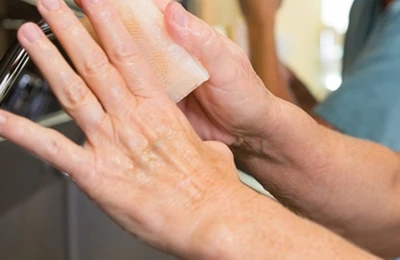
Regularly washing your hands with warm water, antibacterial soap, or liquid hand wash for at least 20 seconds is the most productive way to prevent you or your loved ones from getting infected.
Knowing when and how to wash hands properly can help you stay safe from microorganisms that can quickly spread infections and damage your immune system.
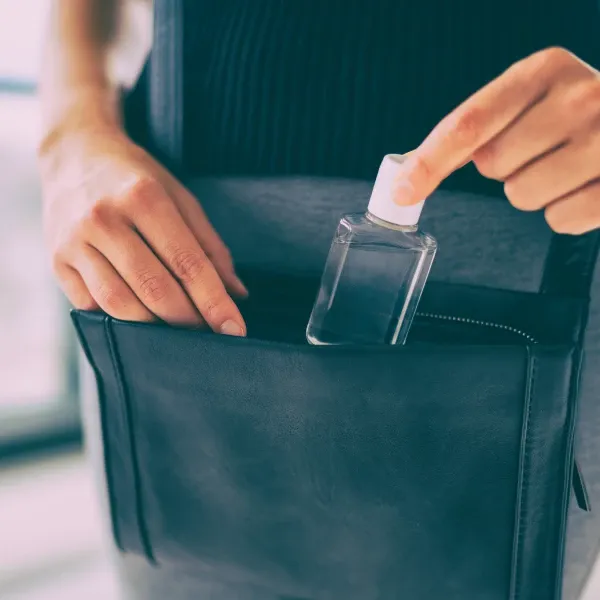
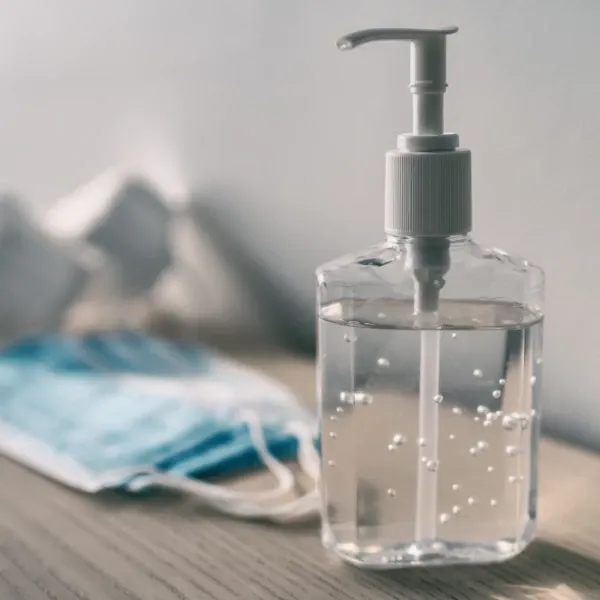
If water and soap are unavailable, using an antibacterial hand sanitizer that kills 99.99% of germs is recommended.
As respiratory droplets can travel up to 2 meters through the air, the following steps can help reduce the risk of germs spreading while coughing and sneezing.
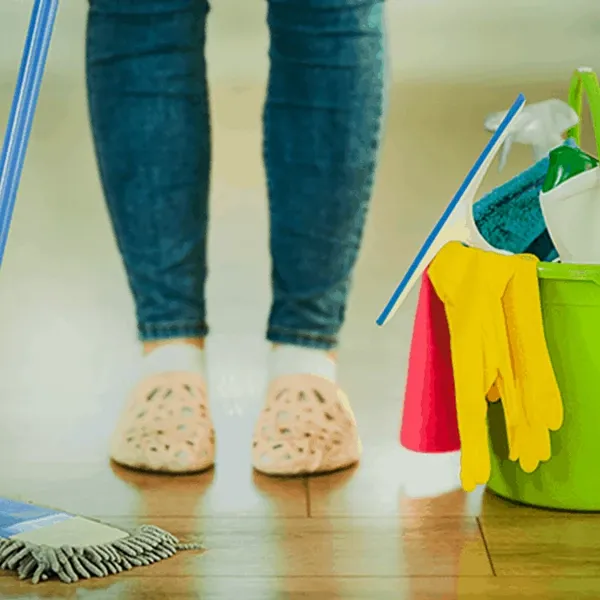
It is also essential to be mindful of the surfaces we touch regularly and keep them clean and disinfected. Finally, never underestimate the importance of frequently cleaning the house, as it reduces infection transmission risk.
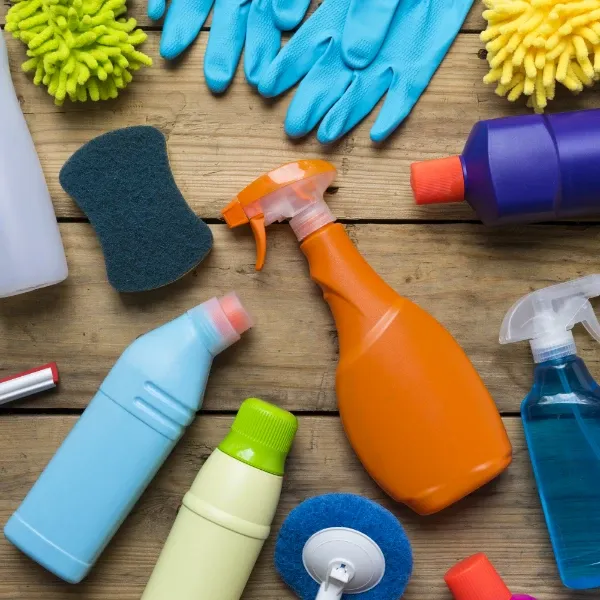
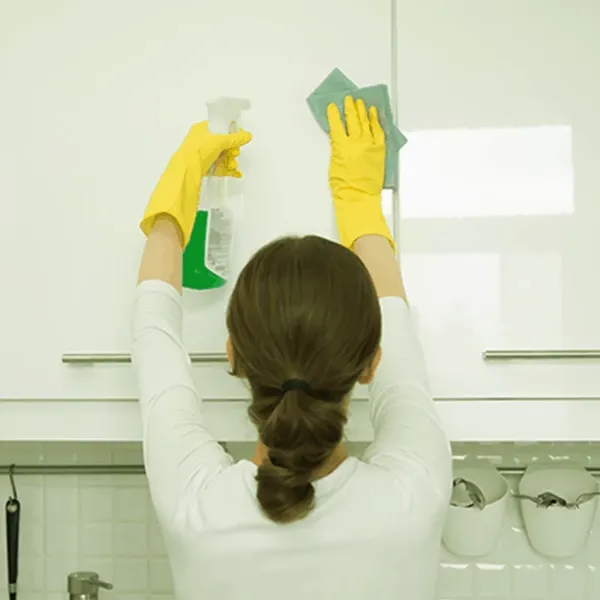
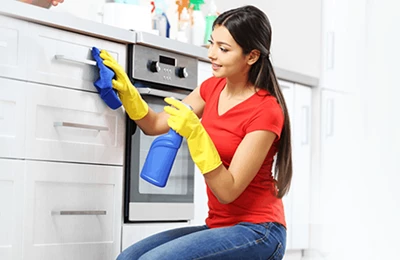
Clean and disinfect regularly touched objects and surfaces such as doors, handles, tables, chairs, electronic devices, keys, wallets, etc. Use multisurface disinfectant products and antiseptic liquid to eliminate the germs on them.
Poor ventilation can invite several infectious diseases into your house. Keep your windows open so that fresh air can circulate through the house. If you have installed air conditioning or heat pump systems, maintain them and clean their filters regularly.
You should also use long-lasting fresh breeze air fresheners that eliminate bacterial odors from the air keeping your home clean and pure.
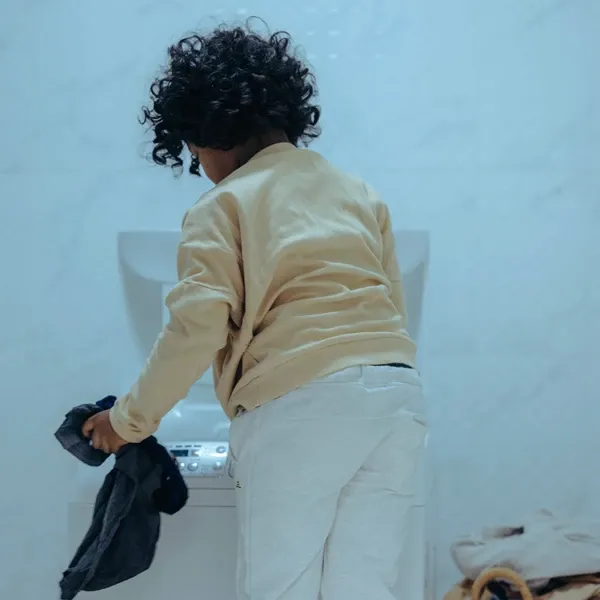
Are my clothes free of bacteria? Do I have to wash at 60°C? Those and other laundry myths debunked
Want to keep your washing machine in good condition? Here are some tips to combat the buildup of bacteria, odour, limescale and more.
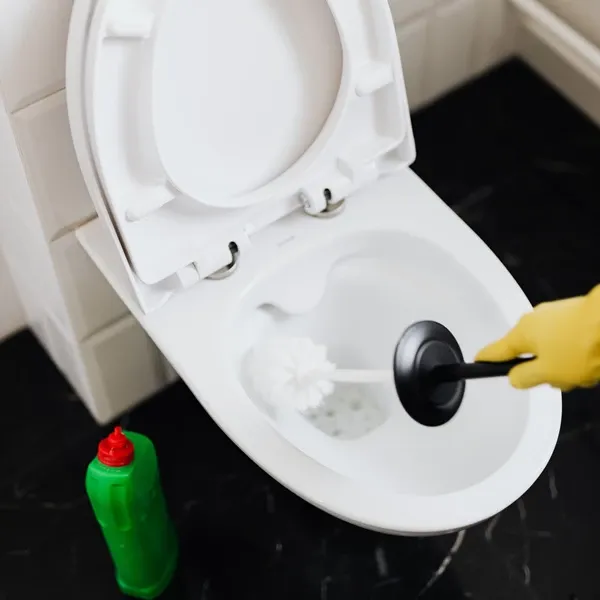
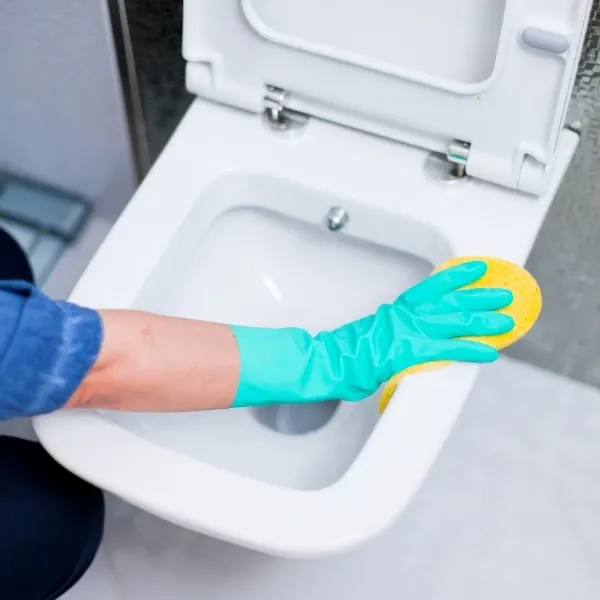
Learn how to clean your toilet properly with simple steps and effective tips. Keep your bathroom fresh, germ-free, and sparkling clean in no time!
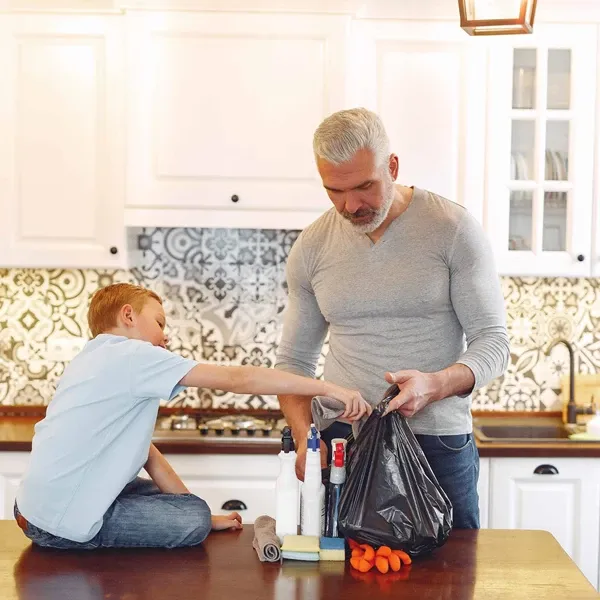
Here are our top tips to keep your kitchen and bins clean and disinfected
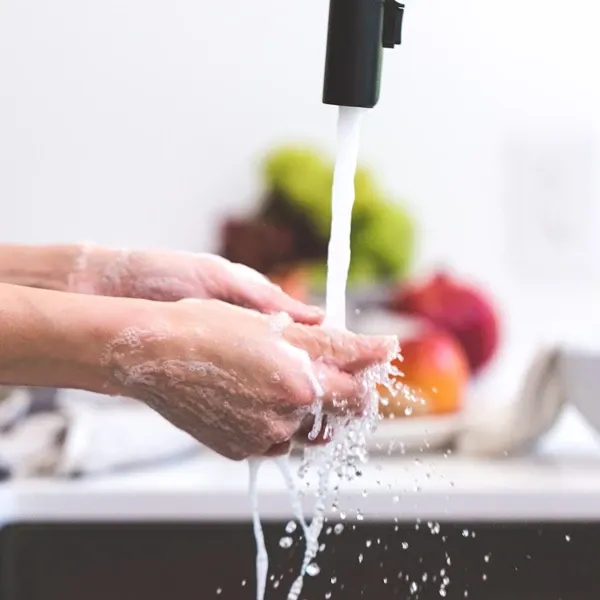
Hand-washing is an easy way to help prevent the spread of bacteria and viruses. Learn more about when to wash your hands, and how to most effectively do so.
Keep your electronics at home hygienic with these simple steps.
A warm, soothing shower after a long day can feel like the ultimate form of relaxation. But have you ever wondered why showers make you feel better?
Read our article below to learn about the possible causes, prevention tips, and treatment methods for body odor.
Who doesn’t love traveling? But, do you know these essential hand hygiene tips that keep you safe from germs, bacteria, and diseases while on the go?
Our top cleaning picks that will make your life as a new mum just that tad bit easier
A shower in the morning can help you wake up, but a shower at night can help you fall asleep faster. So which one is better and hygienic?

We know the smallest hygiene changes can make a massive difference to our health. That’s why we’ve made it our mission to always look for opportunities to educate families on healthy habits to practice.
Here are the 7 steps for the most effective handwashing experience to protect you from germs, viruses, and infection.
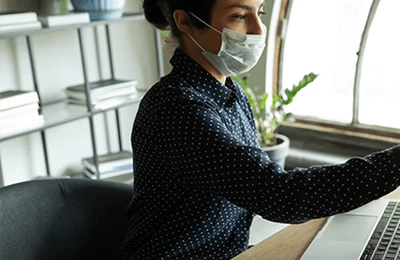
Sometimes cleaning and disinfecting the most used items in the house isn’t enough to prevent them from carrying and spreading germs, bacteria, and viruses. Read our article to know how to achieve complete protection through sterilization.
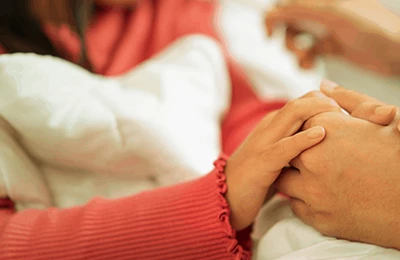
Our Research, Development & Innovation Centres can be found across the globe. From our main laboratory hub sitting in the US to our regional labs in the UK, China and India. It’s here we research, develop and rigorously test products to make sure they’re right for you and the home.


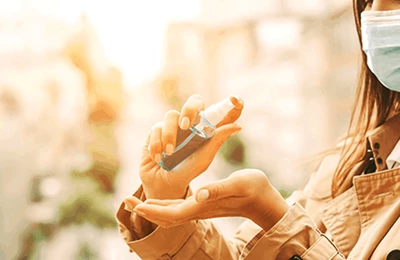
Every one of us is irritated by some kind of body odour. But what does it say about your health? Read our article below to learn how to manage your body odour.
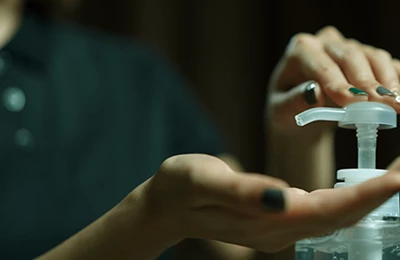
Read the article below to learn some interesting and entertaining facts about health and hygiene that you probably don’t know yet.
We believe nobody should feel powerless in protecting who and what they love. That is why delivering quality and trusted hygiene products is at the core of everything we do. We understand that good hygiene is the foundation of good health, and good health is essential for a good life.
We’re proud to be partnered with many leading health organisations around the world, including Allergy UK, Transport for London, The Global Hygiene Council, National Day Nursery Association and many more.
Shower or a Bath? Which body cleaning method is better for your health? In this article, we will discuss both options.
Here are our top tips to keep your kitchen and bins clean and disinfected
Our top cleaning picks that will make your life as a new mum just that tad bit easier