

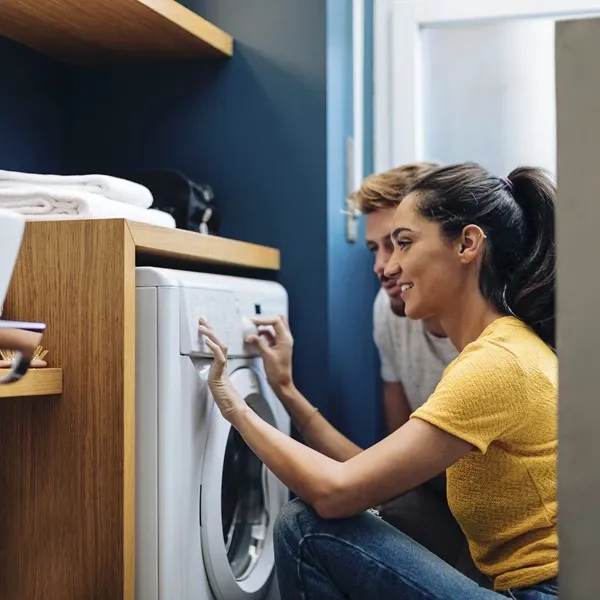
Are my clothes free of bacteria? Do I have to wash at 60°C? Those and other laundry myths debunked

You should strive towards keeping your home infection free. Read our article below to know the five best ways to ensure infections do not spread in your home.
An infection occurs when microorganisms such as germs, viruses, bacteria, and fungi enter a person’s body and cause harm to it. They do that intending to either sustain, reproduce, or colonize.
Despite various technological advancements in medical science, we can’t forget about the basic hygienic actions we should take daily to help us prevent and reduce the spread of infections, especially at home.
It can’t be stressed enough how vital infection control and prevention are for healthcare.
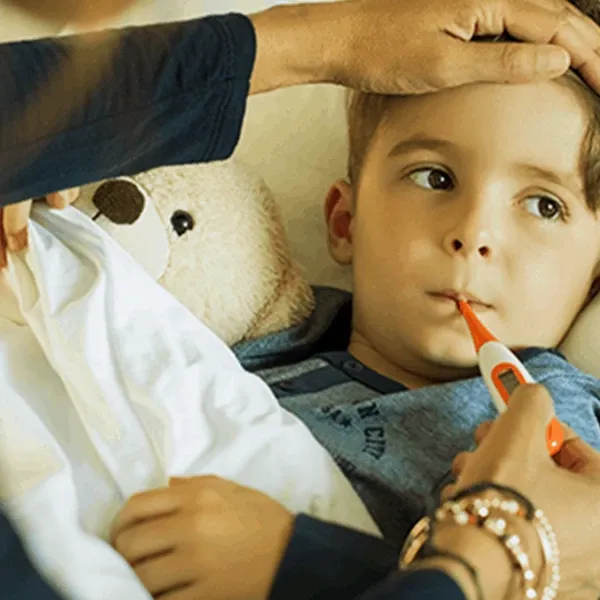
If you have been exposed to an infection, contracted it, or taken care of someone who is infected at home, it is crucial to know how to avoid infectious diseases caused by an infection.
You can follow a few simple infection control guidelines to ensure you create and maintain a healthy and safe environment at home.
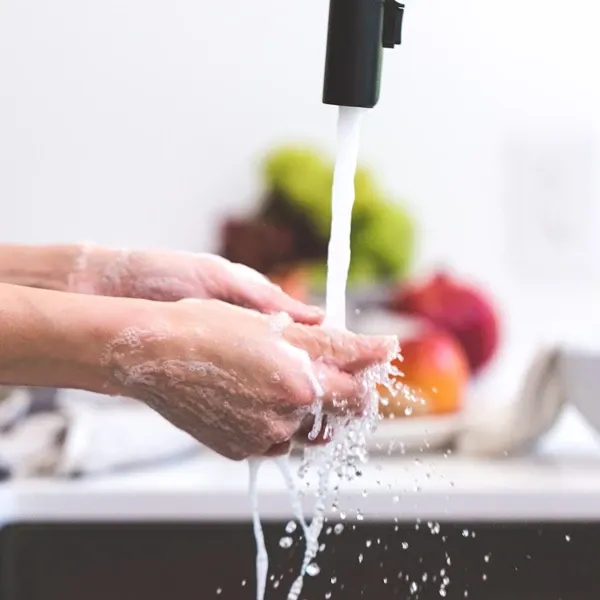
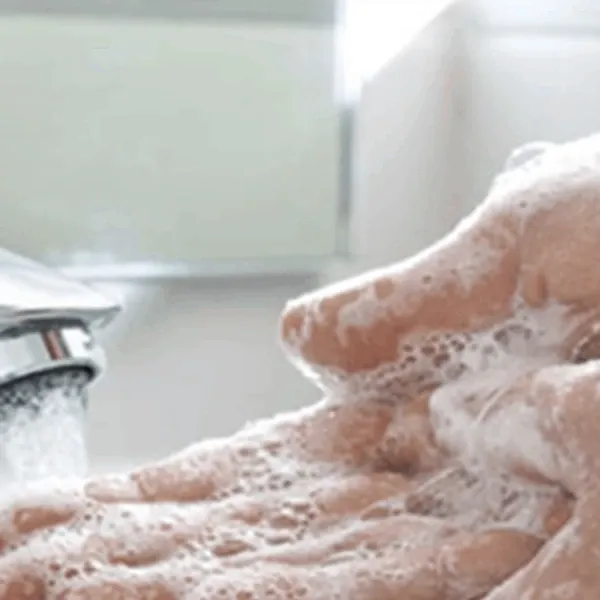
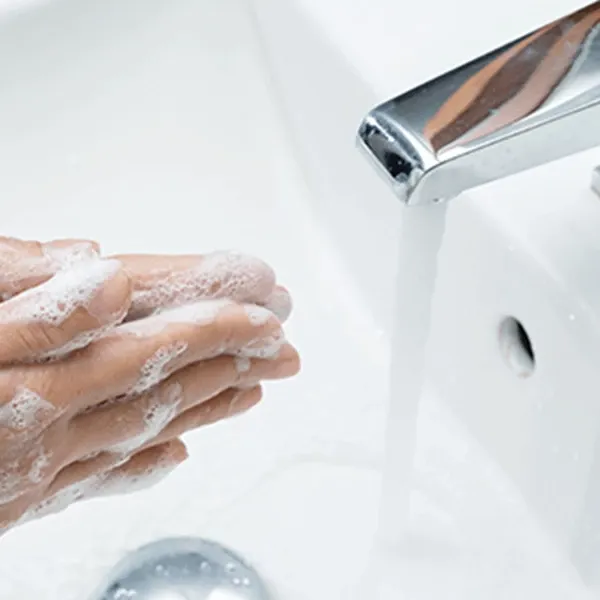
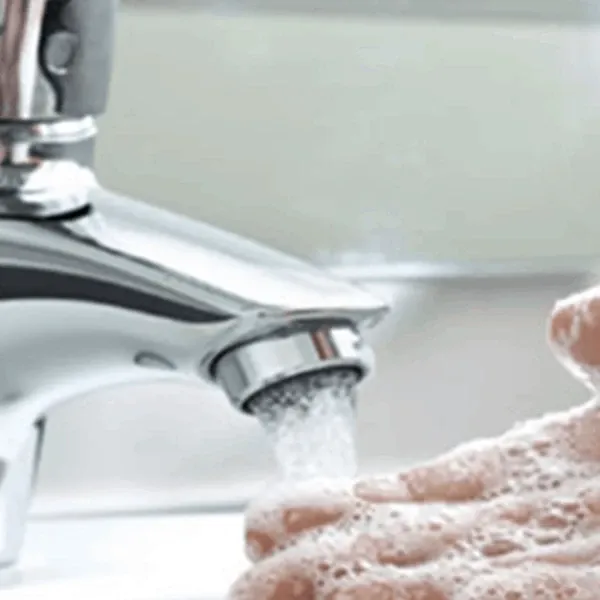
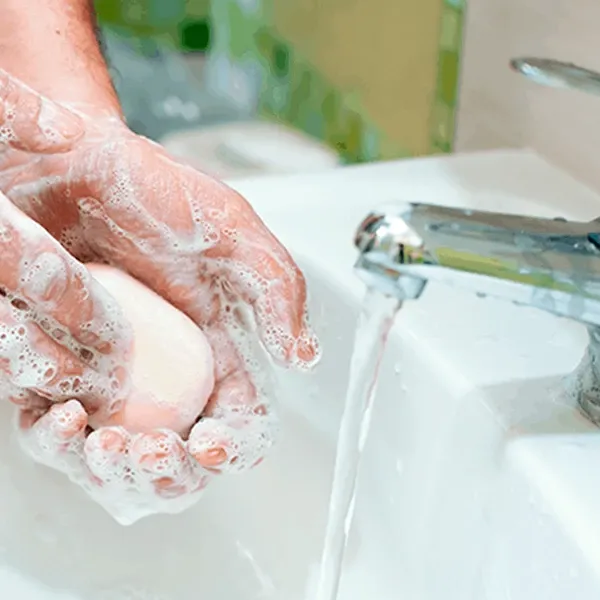
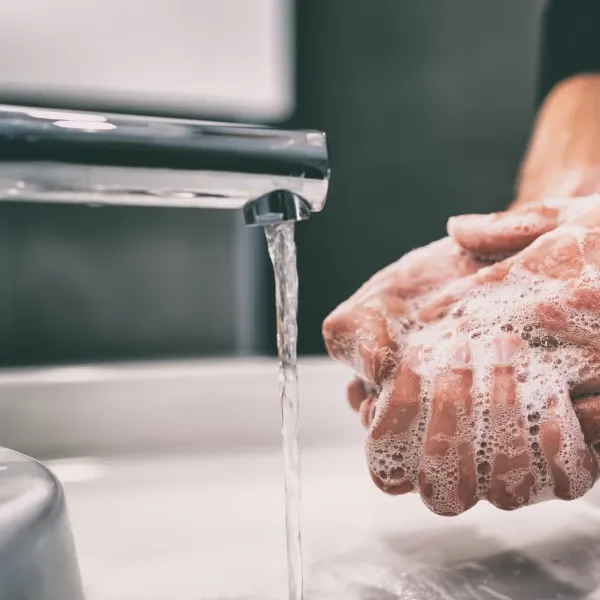
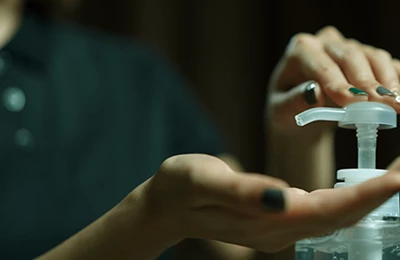
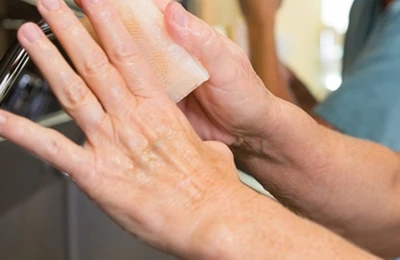
Wash your hands frequently for at least 20 seconds with either an antibacterial bar soap or liquid hand wash. Microorganisms can stay alive on your hands for a few minutes to three hours.
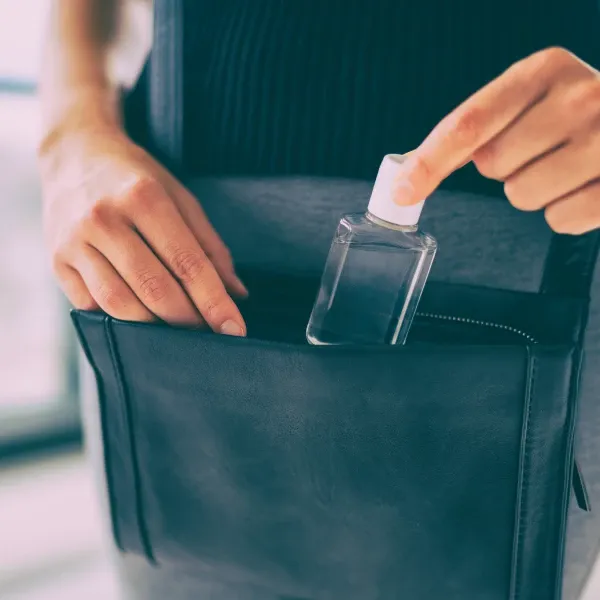
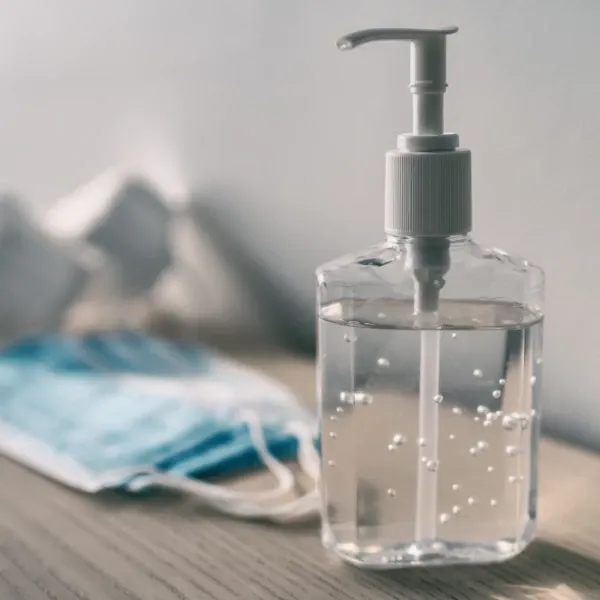
If water and soap are unavailable, using an antibacterial hand sanitizer or antibacterial wipes would also be enough to keep your hands safe from these harmful microorganisms.
Read more about germs and how they spread.
You continuously share your items at home with the rest of the house members. To prevent infections from spreading at home, minimize sharing personal items with anyone, even if they live with you.
Brushes, towels, toothbrushes, razors, or other personal belongings can all be sources of infectious agents (bacteria, viruses, and fungi).
The adults should take responsibility and ensure that sharing personal items is reduced or eliminated, especially among children, to control and prevent infections from spreading at home.
With the already existing infectious diseases and Covid-19, it should go without saying that children require extra protection these days.
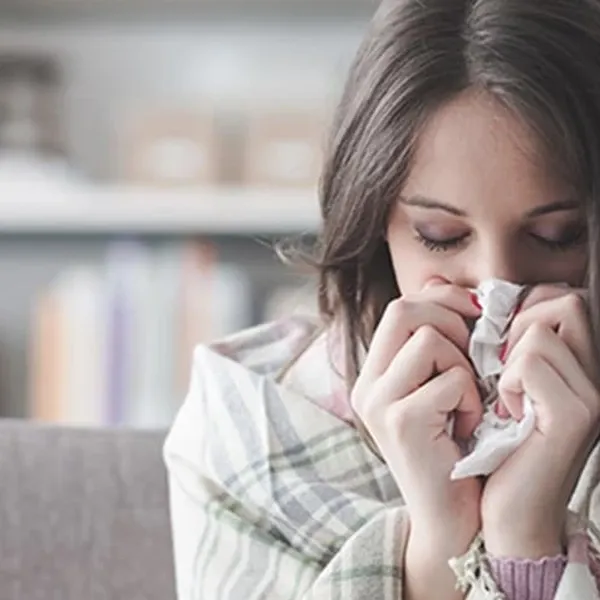
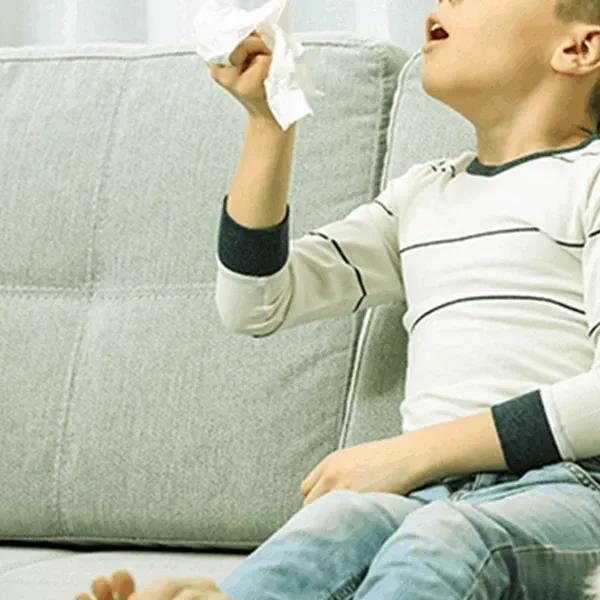
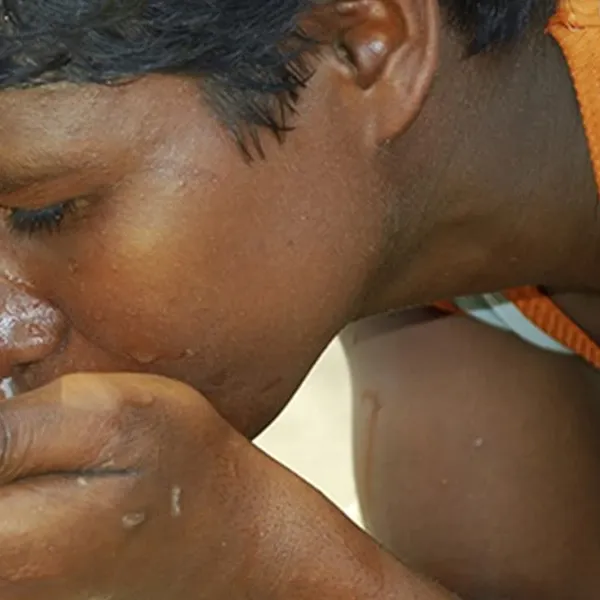
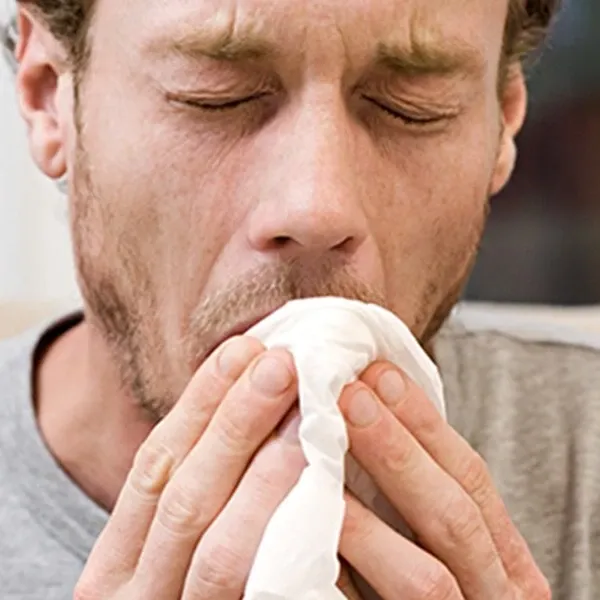
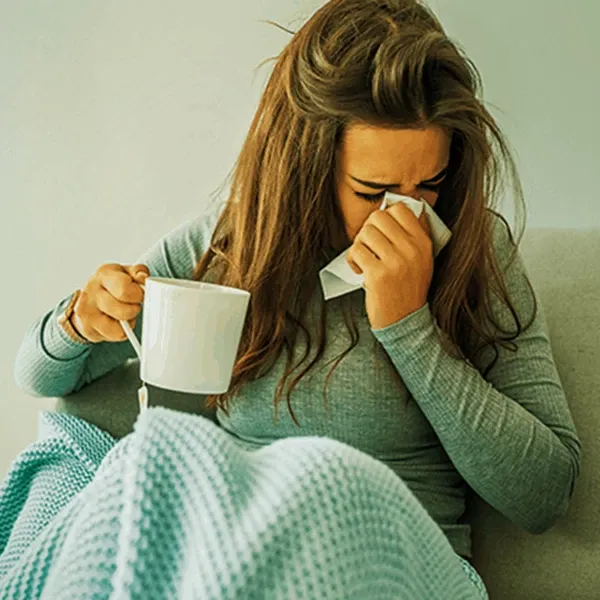
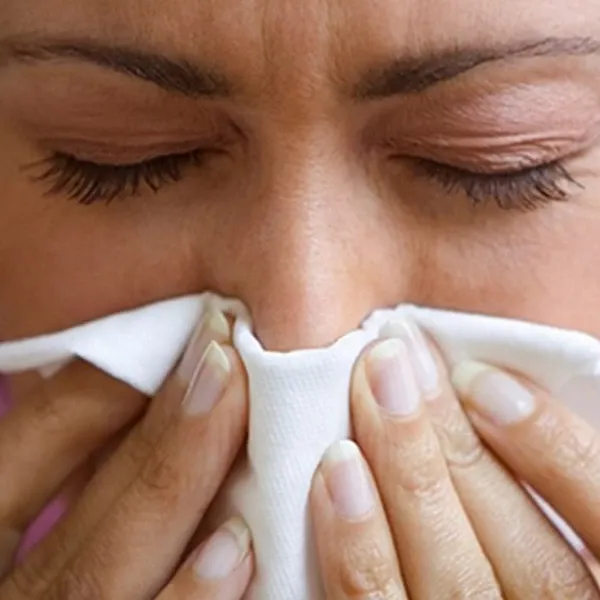
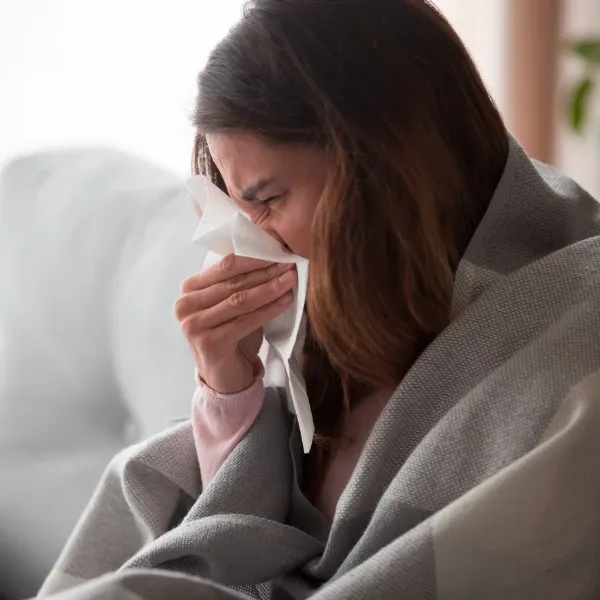
Always cover your mouth while coughing or sneezing, regardless of whether you are sick. For most infections, the disease-causing microbe starts to grow long before symptoms appear.
Microorganisms can immediately spread through respiratory droplets while you cough or sneeze unless you adequately cover your mouth and nose.
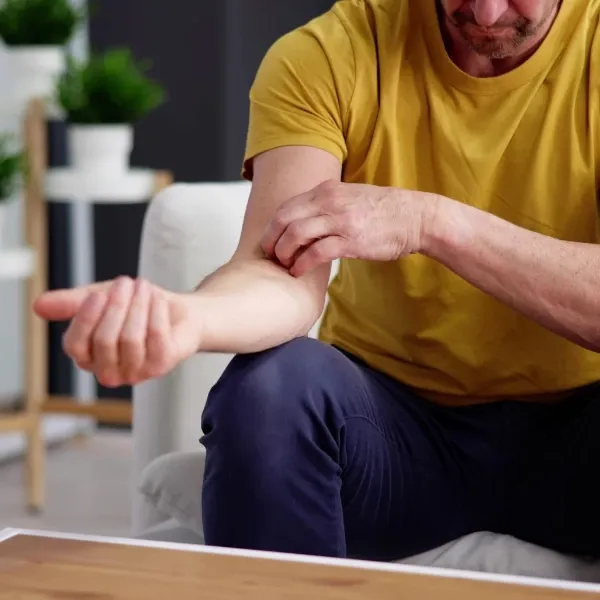
The best practices for covering your mouth or nose while coughing or sneezing include using a tissue, handkerchief, or the crevice of the elbow.
While most foodborne infections are not dangerous, some can lead to severe medical conditions such as kidney failure and meningitis.
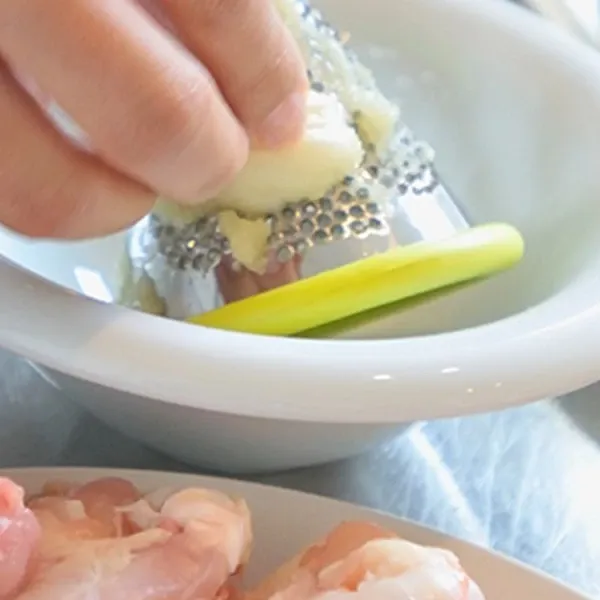
You can prevent infections from foodborne pathogens in your house by preparing and storing foods safely. Here are some essential food hygiene precautions you should adopt in your home.
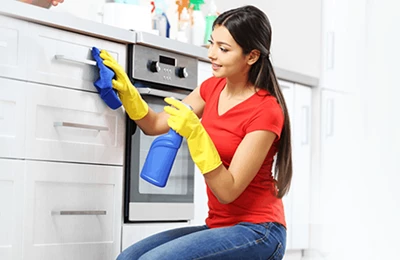
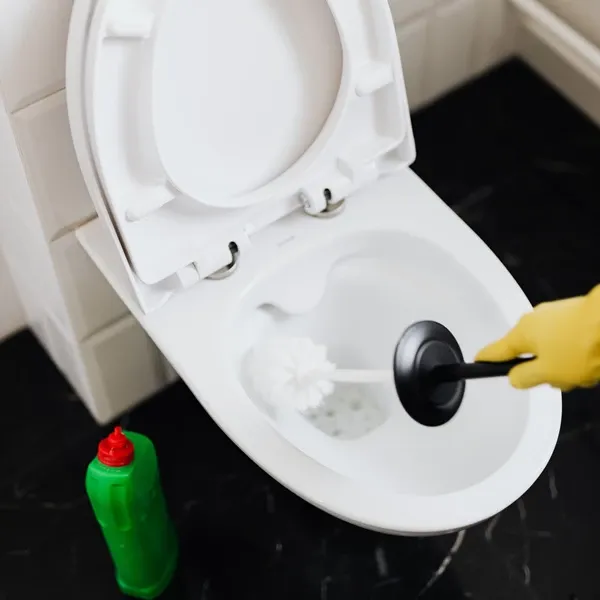
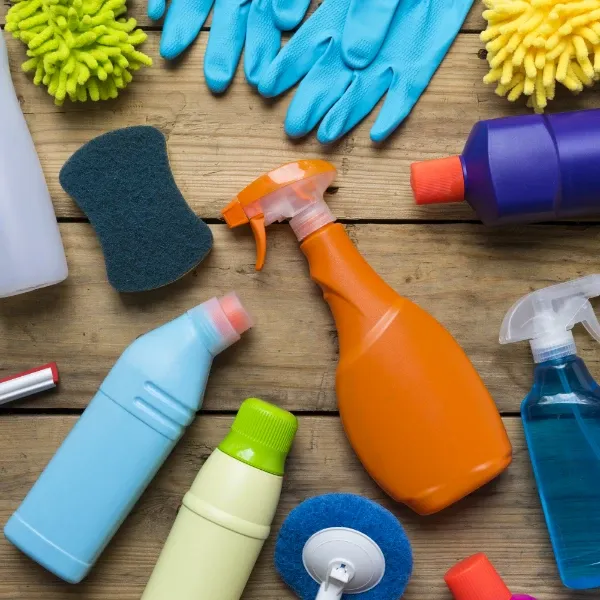
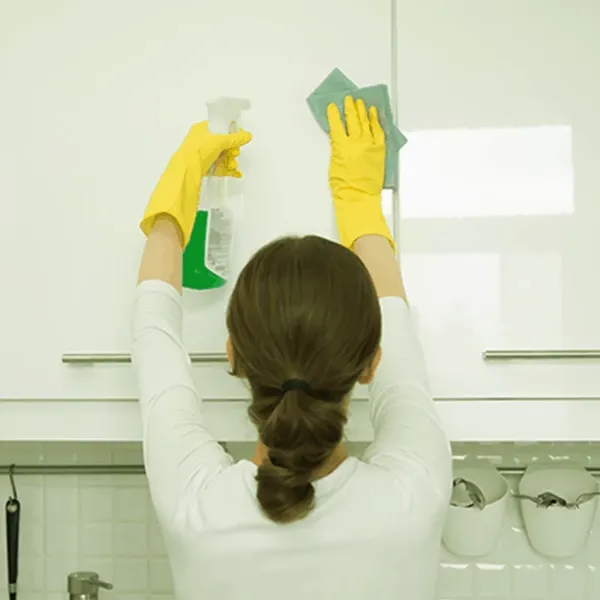
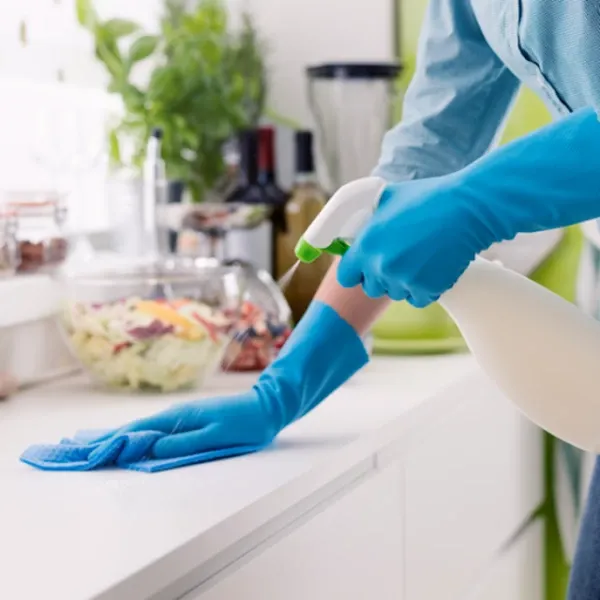
Clean and disinfect bathroom and kitchen surfaces and objects at least once a week to prevent infections from spreading at home.
For cleaning and disinfecting surfaces, you should use disinfectant surface cleaners. Similarly, always use power kitchen cleaner spray that guarantees to kill 99.99% of germs after cleaning kitchen surfaces and objects.
Some frequently touched surfaces are visibly damp; clean them with soap and water before disinfecting. These surfaces include:
You can use multi-surface disinfectant spray for counters, tables, doorknobs, sinks, faucets, and other surfaces. However, wiping them with antibacterial multiuse wipes should be enough to remove any microorganisms from electronic items.
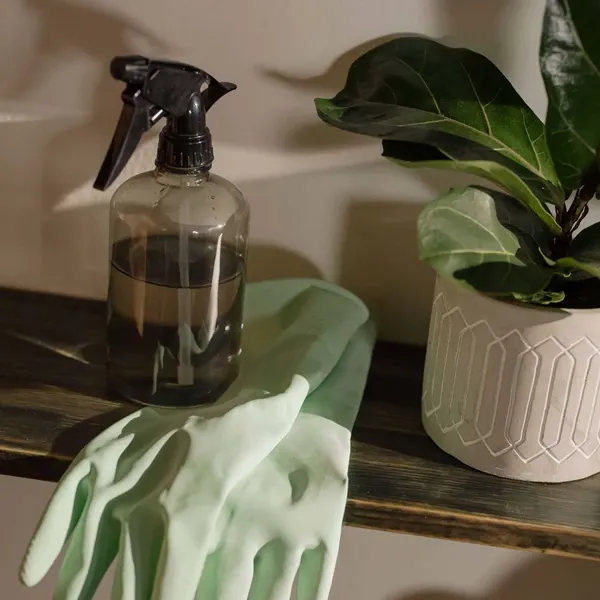
Some cleaning supplies or products such as brooms, sponge mops, cleaning clothes, rubber gloves, mops, and buckets can become a source for breeding pathogens responsible for various infections.
Therefore, soak such cleaning products in bleach and water or with antiseptic liquid for at least 5 minutes before and after using them.
Are my clothes free of bacteria? Do I have to wash at 60°C? Those and other laundry myths debunked
Want to keep your washing machine in good condition? Here are some tips to combat the buildup of bacteria, odour, limescale and more.
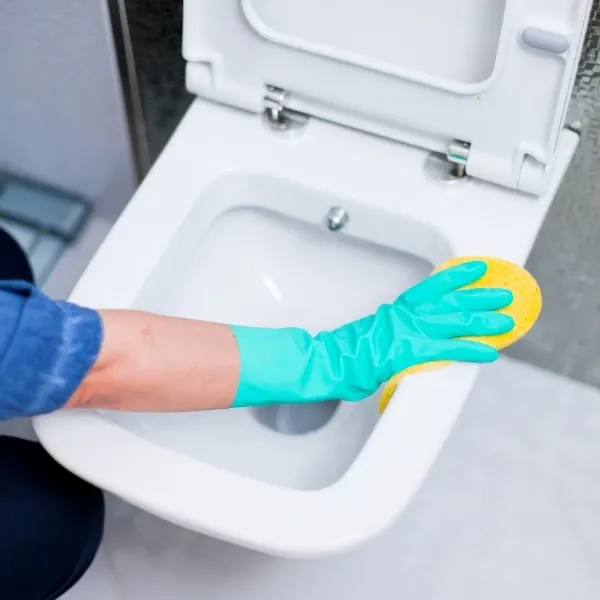
Learn how to clean your toilet properly with simple steps and effective tips. Keep your bathroom fresh, germ-free, and sparkling clean in no time!
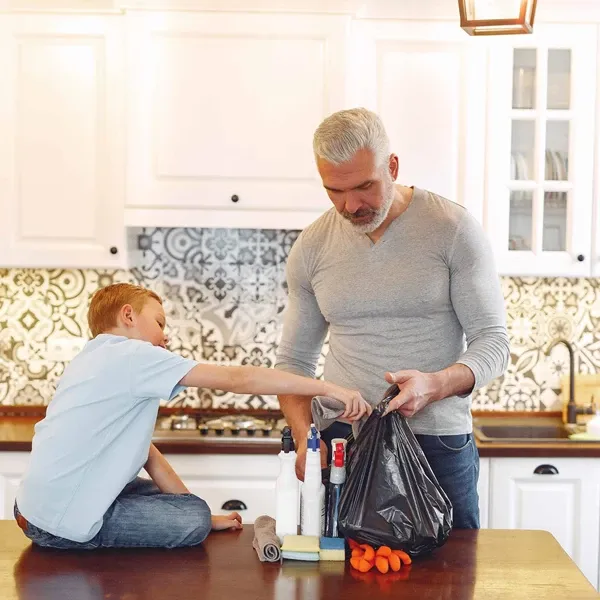
Here are our top tips to keep your kitchen and bins clean and disinfected
Hand-washing is an easy way to help prevent the spread of bacteria and viruses. Learn more about when to wash your hands, and how to most effectively do so.
Keep your electronics at home hygienic with these simple steps.
A warm, soothing shower after a long day can feel like the ultimate form of relaxation. But have you ever wondered why showers make you feel better?
Read our article below to learn about the possible causes, prevention tips, and treatment methods for body odor.
Who doesn’t love traveling? But, do you know these essential hand hygiene tips that keep you safe from germs, bacteria, and diseases while on the go?
Our top cleaning picks that will make your life as a new mum just that tad bit easier
A shower in the morning can help you wake up, but a shower at night can help you fall asleep faster. So which one is better and hygienic?
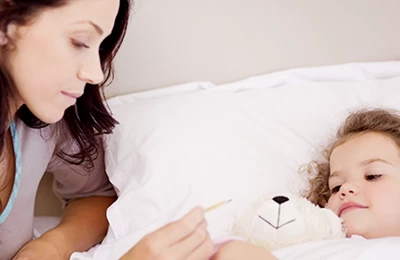

We know the smallest hygiene changes can make a massive difference to our health. That’s why we’ve made it our mission to always look for opportunities to educate families on healthy habits to practice.
Here are the 7 steps for the most effective handwashing experience to protect you from germs, viruses, and infection.
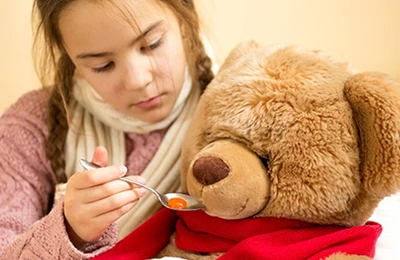
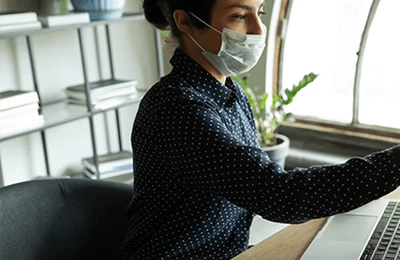
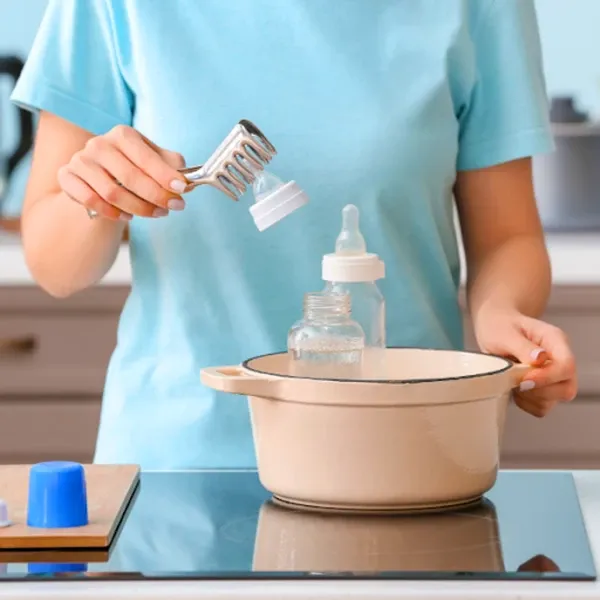
Sometimes cleaning and disinfecting the most used items in the house isn’t enough to prevent them from carrying and spreading germs, bacteria, and viruses. Read our article to know how to achieve complete protection through sterilization.

Our Research, Development & Innovation Centres can be found across the globe. From our main laboratory hub sitting in the US to our regional labs in the UK, China and India. It’s here we research, develop and rigorously test products to make sure they’re right for you and the home.


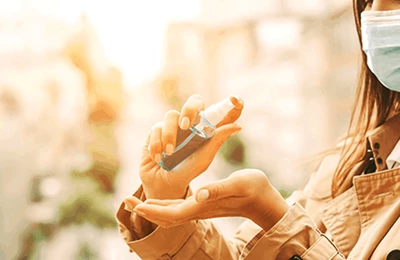
Every one of us is irritated by some kind of body odour. But what does it say about your health? Read our article below to learn how to manage your body odour.
Read the article below to learn some interesting and entertaining facts about health and hygiene that you probably don’t know yet.
We believe nobody should feel powerless in protecting who and what they love. That is why delivering quality and trusted hygiene products is at the core of everything we do. We understand that good hygiene is the foundation of good health, and good health is essential for a good life.
We’re proud to be partnered with many leading health organisations around the world, including Allergy UK, Transport for London, The Global Hygiene Council, National Day Nursery Association and many more.
Shower or a Bath? Which body cleaning method is better for your health? In this article, we will discuss both options.