

How to clean your kitchen counters and bins effectively
Here are our top tips to keep your kitchen and bins clean and disinfected


A clean and hygienic workplace is more than just an aesthetic preference—it’s essential for employee health, productivity, morale, and the overall success of your business.
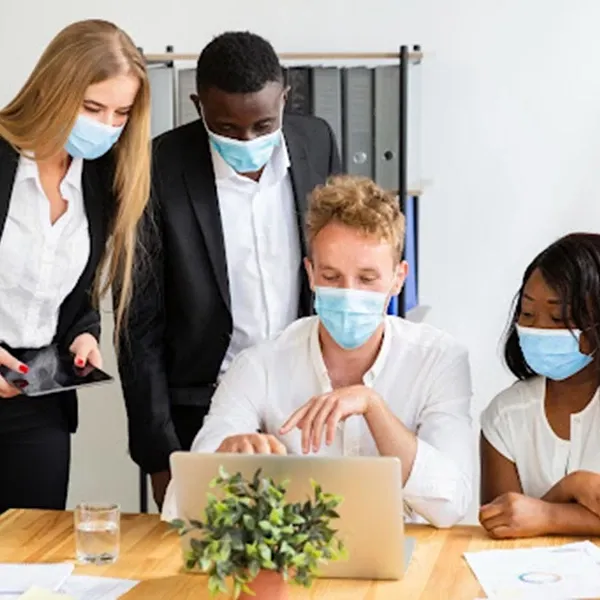
A well-maintained combination of personal hygiene and office hygiene not only creates a safe and professional work environment but also helps create a positive perception of the business.
From organized desks to neat and clean toilets, every aspect of work hygiene plays an important role in helping people feel better and work more productively.
But have you ever wondered? Why is hygiene important in the workplace? Let’s explore the key reasons why maintaining cleanliness in the workplace should be a top priority.
Below are some of the major benefits of maintaining a clean and hygienic work environment:
Implementing cleaning and personal hygiene standards company-wide reduces the likelihood of employees contracting illnesses. When their workspace is immaculate, they will feel more valued, respected, and motivated, contributing to a positive workplace culture.
A clean, clutter-free, and organized workspace promotes better focus, clarity, and efficiency. It also reduces the time employees spend searching for specific tools or materials.
Dirty desks, unpleasant odors, unclean toilets, or poor hygiene can create discomfort, leading to lower morale and motivation. In contrast, an orderly and hygienic environment makes employees less likely to experience distractions or stress, resulting in increased productivity and efficiency.
A workplace with shared surfaces and close interactions can easily become a breeding ground for germs and bacteria. Without office hygiene, bacterial and viral infections, such as colds & flu, Ebola, UTIs, MRSA, and coronavirus, can spread rapidly, leading to increased absenteeism and decreased productivity.
Regular cleaning, effective hand hygiene, and sanitization of high-touch areas with a world-leading hygiene brand, such as Dettol, helps reduce the risk of illness, ensuring a healthier work environment for employees, staff, and customers alike.
Many industries, especially those in healthcare, food services, and manufacturing, must comply with strict hygiene regulations to maintain health and safety standards.
Failing to meet these standards can result in legal consequences, penalties, or even business shutdowns. Even in office environments, maintaining clean workstations, restrooms, and shared spaces is essential for meeting workplace safety guidelines and ensuring employee well-being.
First impressions matter, and a clean workplace reflects professionalism and attention to detail. Whether welcoming clients, business partners, or new employees, a hygienic workspace conveys credibility, organization, and respect.
Conversely, an untidy and unhygienic office can harm a company’s reputation and create a negative perception of its work culture. Maintaining high hygiene standards ensures a positive image and builds trust with stakeholders.
Here are our top tips to keep your kitchen and bins clean and disinfected
Our top cleaning picks that will make your life as a new mum just that tad bit easier