

How to clean your kitchen counters and bins effectively
Here are our top tips to keep your kitchen and bins clean and disinfected


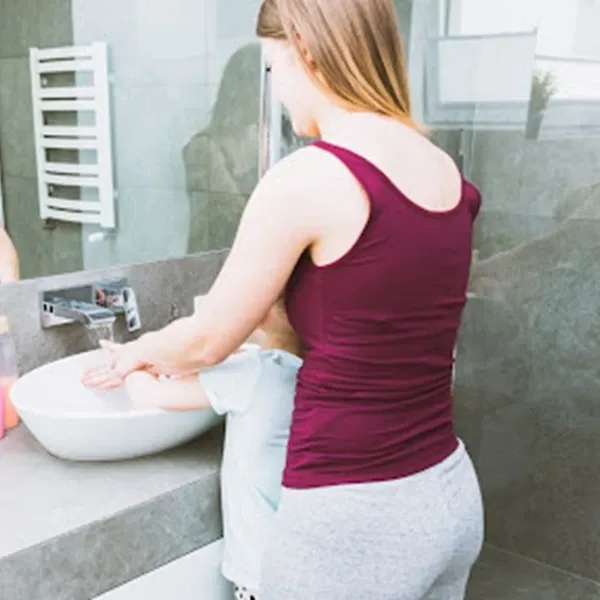
Maintaining good personal hygiene is more than just looking presentable—it is vital for eliminating germs, reducing body odor, preventing infections, and promoting overall well-being.
However, with busy schedules and varying lifestyles, it is often easy to overlook essential hygiene practices or habits. That’s why creating a personal hygiene routine and consistently sticking to it can make cleanliness effortless and second nature.
From daily habits to weekly self-care, this guide will show you how to build a simple yet effective personal hygiene routine to stay clean, healthy, and confident throughout the day.
Personal hygiene refers to any practice or habit that helps keep one's body clean, healthy, and free from germs. These usually include showering and bathing, brushing, washing hands, trimming nails, and wearing clean clothes.
Personal hygiene is important because it helps prevent illness and the spread of germs, bacteria, and various infectious diseases. Some of the health conditions that you can develop by having poor personal hygiene include:
Here are some useful tips for creating an effective personal hygiene routine:
Before creating a hygiene routine, evaluate your personal care needs and lifestyle. Consider factors like skin type, hair texture, activity level, and work environment. Someone with an active lifestyle may need frequent showers, while others may focus more on skincare or dental hygiene.
Identifying your specific hygiene priorities will help you create an effective and easy-to-follow routine. Tailoring your hygiene habits ensures consistency and long-term success.
Establishing a consistent daily routine ensures hygiene becomes automatic. In the morning, focus on brushing your teeth, washing your face, showering, and applying deodorant.
Throughout the day, carry essentials like Dettol hand sanitizer, mouthwash, and face wipes for quick refreshes. At night, practice skincare, floss, and change into clean sleepwear.
A structured morning and evening hygiene schedule helps maintain cleanliness and freshness from the start of your day to bedtime.
Selecting the right hygiene products enhances effectiveness. For example, fluoride-based toothpaste is used for oral health, Dettol antibacterial soap, Dettol body wash is used for daily face and body cleansing, and alcohol-free deodorant is used for all-day freshness.
Haircare products should suit your scalp type, while skincare products should match your skin’s needs. Additionally, investing in quality hygiene tools, such as a soft-bristle toothbrush, a good razor, and an exfoliating scrub, will make your routine more efficient and beneficial.
Adopting weekly and monthly hygiene routines promotes long-term self-care and cleanliness. For example, exfoliate your skin once or twice a week to eliminate dead skin cells.
Plus, wash your bedding and towels weekly to avoid bacteria buildup, and trim your nails regularly to maintain clean hands and feet. Additionally, cleanse hair deeply with clarifying shampoo weekly to eliminate product buildup.
A good hygiene routine should be flexible and adaptable to changes in lifestyle, seasons, or health conditions. During hot weather, you may need more frequent showers, while in winter may require extra moisturizing.
If you travel often, carrying travel-size hygiene essentials can keep your routine intact. Regularly assess and adjust your hygiene habits to ensure maximum effectiveness, making cleanliness effortless and lifelong.
Here are our top tips to keep your kitchen and bins clean and disinfected
Our top cleaning picks that will make your life as a new mum just that tad bit easier